Up Next
Model Reviews
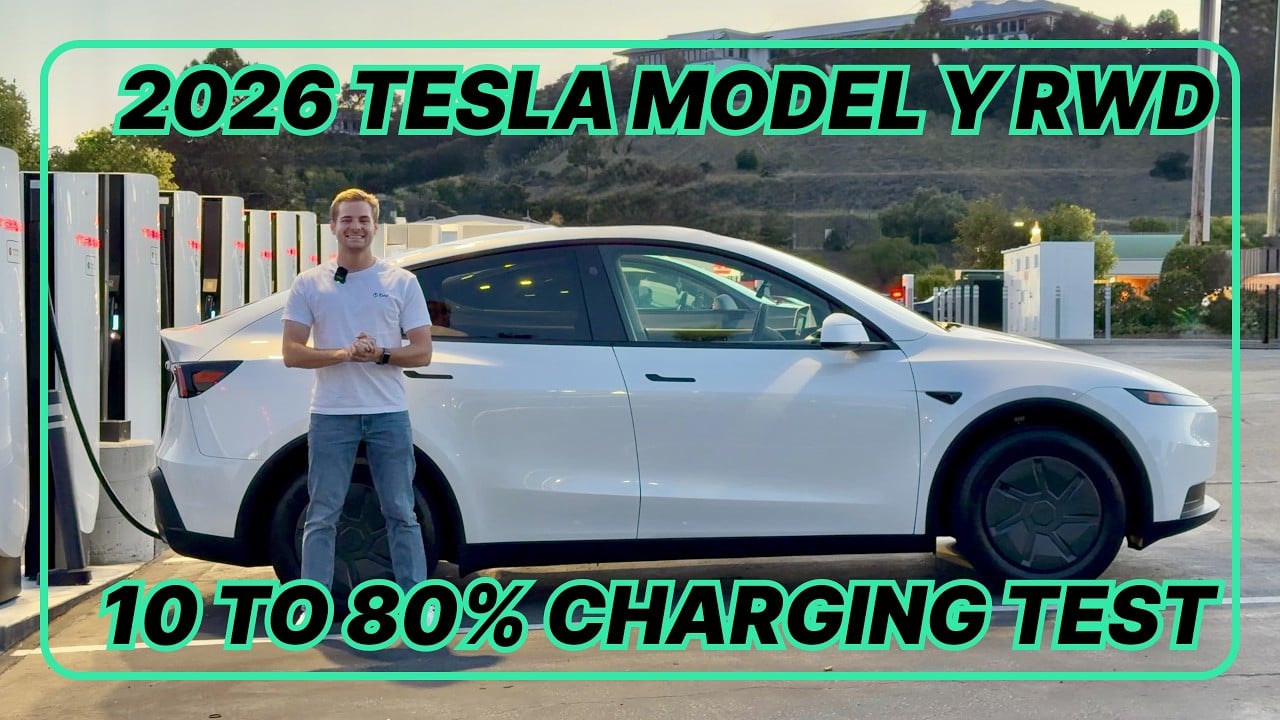
2026 Tesla Model Y RWD Charging Test: Peak Power Isn't Everything
We put the Tesla Model Y RWD to our standard 10 to 80% charging test to see the area under the curve.

Andrew Lambrecht
May 27, 2026
Read resource
Andrew Lambrecht
Project Engineer
Mar 12, 2026
The Tesla Model Y is the most popular EV in the United States. And in some states, it's the best-selling car regardless of powertrain.
It has been six years since the Model Y hit the roads. Now it's fitting to see just how much Tesla's electric crossover has evolved. We're looking at the two bookends of this journey: the 2020 "OG” and the brand-new 2026 "Juniper" Premium, to see just how much this electric crossover has evolved.
When the Model Y launched in 2020, it felt like a lifted Model 3. By 2026, it has matured into a refined premium crossover. Here is how the AWD Long Range configurations stack up:
Launch Price — $54,190 → $50,630
Inflation-Adjusted Price — $68,101 → $50,630 (saving $17.4k)
EPA Range — 316 miles → 327 miles
0–60 MPH — 4.8 sec → 4.6 sec
Computer Chip — Intel Atom → AMD Ryzen
Hardware — HW3.0 (Radar + USS) → HW4.5 (Vision Only)
Safety Features — Autopilot → Adaptive Cruise
Drag Coefficient — 0.23 Cd → 0.22 Cd
The 2020 Model Y was a leader in efficiency, but the 2026 Juniper takes it further with a 0.22 drag coefficient. Visually, the "bubble" look of the original has been sharpened with a front LED light bar and the new "afterburner" wraparound taillights.
Underneath that skin, the 2026 Performance trim now offers Vehicle-to-Load (V2L) capabilities, offloading 2.4kW of power—turning your car into a giant battery for camping or emergencies.
In 2020, the interior was minimalist, but didn’t feel very premium. The cabin was echo-y and there was a fair share of hard touch plastics in the cabin. The 2026 changes that.
You now get ventilated front seats, soft-touch door panels, and a wraparound ambient lighting system that makes the 2020 model feel like a cave.
The 2026 adds an 8-inch rear display for climate and entertainment, though it drops the heated middle seat found in the OG.
While the raw cubic footage remains similar, the 2026 includes a drain in the sub-trunk for easier cleaning and a full HEPA filtration (Bioweapon Defense Mode) system that wasn't standard on the earliest 2020 builds.
The biggest jump between these two cars isn't how they look, but the internals powering them.
The 2020 OG used the Intel Atom chip, which was revolutionary at the time but now feels sluggish when loading Netflix or heavy maps. The 2026 uses the AMD Ryzen (AI4) processor, making the UI feel like a high-end smartphone.
2020 builds relied on a suite of Radar and Ultrasonic Sensors (USS). The 2026 is shifting to Hardware 4.5, utilizing high-resolution cameras for "Tesla Vision."
Both cars come standard with Adaptive Cruise Control. However, while the 2020 model included basic Autopilot features as a standard inclusion, the 2026 leans into a simplified base safety suite, keeping advanced steering and city-driving features (FSD) behind a subscription paywall.
While both cars utilize 2170 cylindrical cells, the efficiency gains in the 2026 model are staggering. In real-world testing, the 2026 AWD LR on 20" wheels achieved 313 miles—actually beating its EPA rating. In contrast, the 2020 AWD LR on 19" wheels was clocked at 276 miles by Tom Moloughney.
The 2026 Model Y is a massive improvement that squashes almost every complaint owners had about the 2020 original. It's faster, quieter, more efficient, and—most importantly— less expensive.
The 2020 OG was the car that changed the world, but the 2026 Juniper is the car that finally perfected the formula.
Tesla
Comparison
Performance
Range
About the Author
Andrew Lambrecht
Project Engineer
Andrew Lambrecht is a project engineer at Ever and a leading voice in the electric vehicle sector. An industrial engineer by training and a prolific contributor to outlets like Forbes, Business Insider, InsideEVs, and MSN, Andrew blends technical expertise with sharp insights on EVs, mobility trends, and charging.
Up Next
Model Reviews
We put the Tesla Model Y RWD to our standard 10 to 80% charging test to see the area under the curve.
Andrew Lambrecht
May 27, 2026
Read resource
Watch
Model Reviews
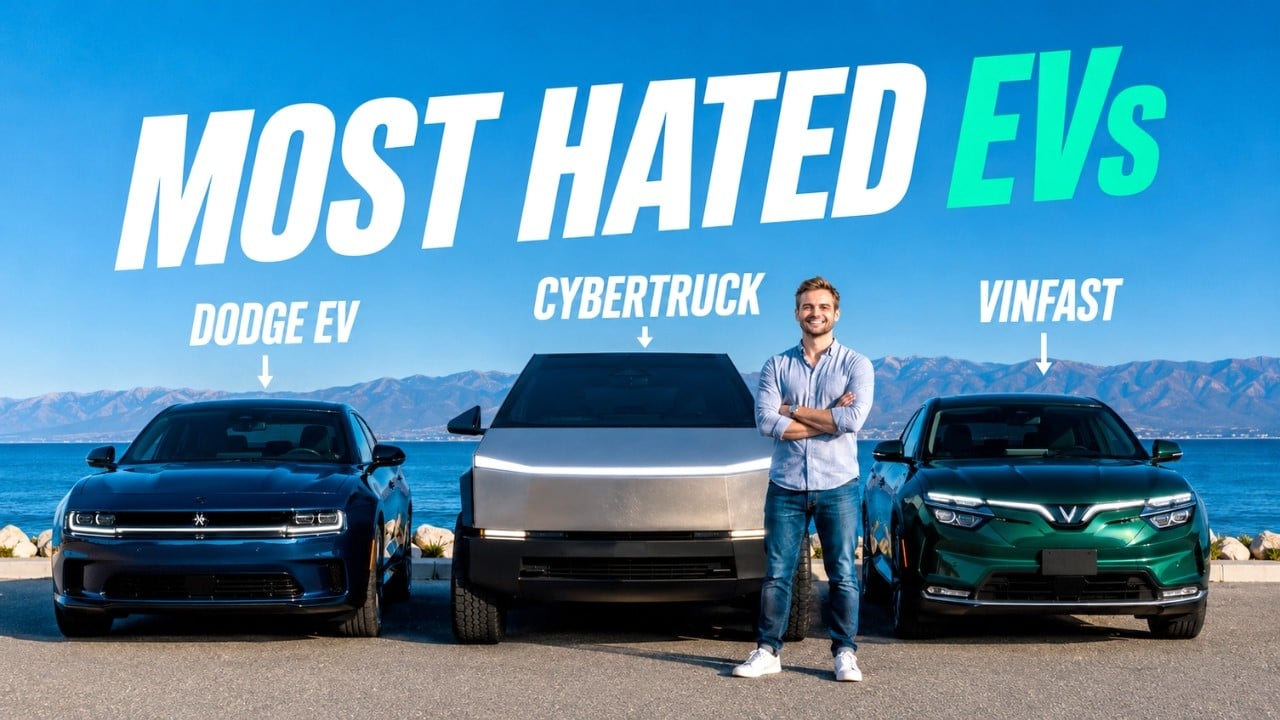
We've lined up the most controversial new EVs in the US—the Cybertruck, Charger Daytona, and VinFast VF8—to see if they're actually dumpster fires.
Andrew Lambrecht
May 14, 2026

Watch
Model Reviews
The 2026 Lexus RZ delivers 402 hp and 301 miles of range. We explore why the updated e-TNGA platform and native NACS port make this Lexus a competitive luxury EV at last.
Andrew Lambrecht
May 12, 2026
Watch
Model Reviews
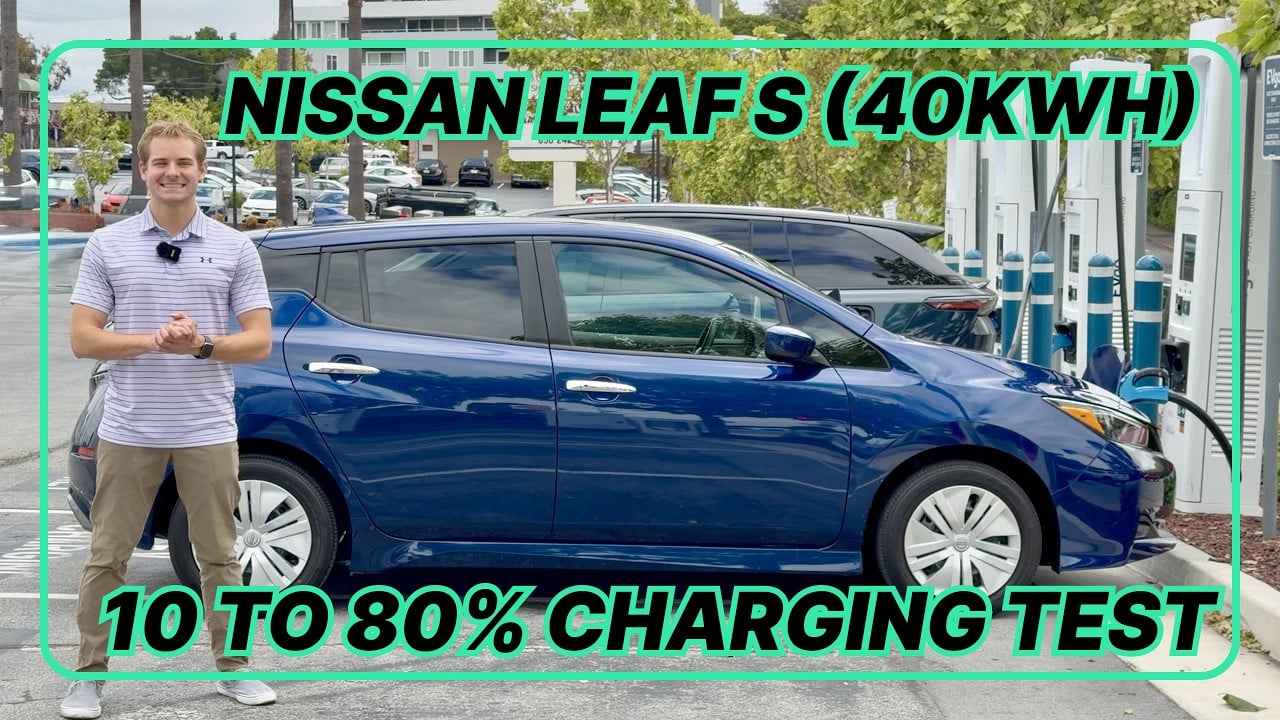
We put the 40kWh Nissan Leaf S through our 10 to 80% charge test. See how long the Nissan Leaf needed at the CHAdeMO charger.
Andrew Lambrecht
May 8, 2026

Watch
Model Reviews
The 2026 Subaru Trailseeker delivers 375 hp and a 4.4s 0-60. Find out why this NACS-equipped SUV is Subaru's best EV yet.
Andrew Lambrecht
May 5, 2026
Watch
Model Reviews
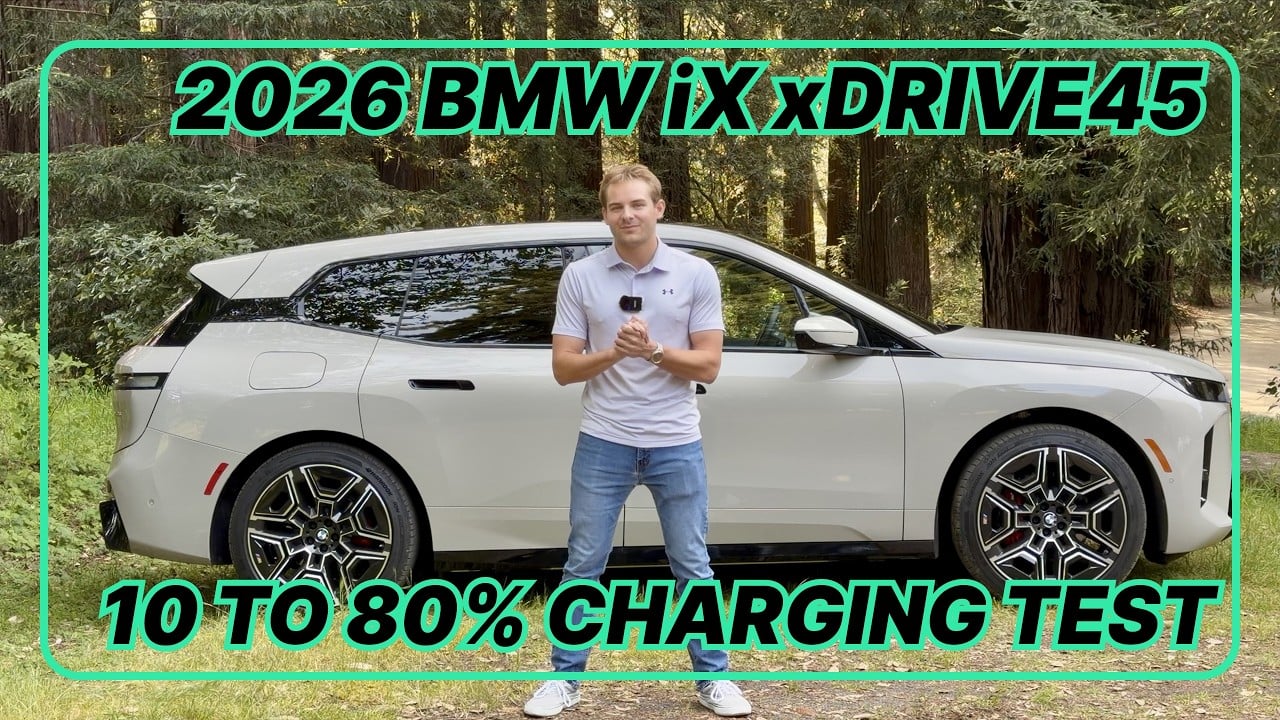
We tested the 2026 BMW iX xDrive45 at a V3 Supercharger. See how it performed against BMW's factory claims.
Andrew Lambrecht
Apr 30, 2026
Watch
Model Reviews
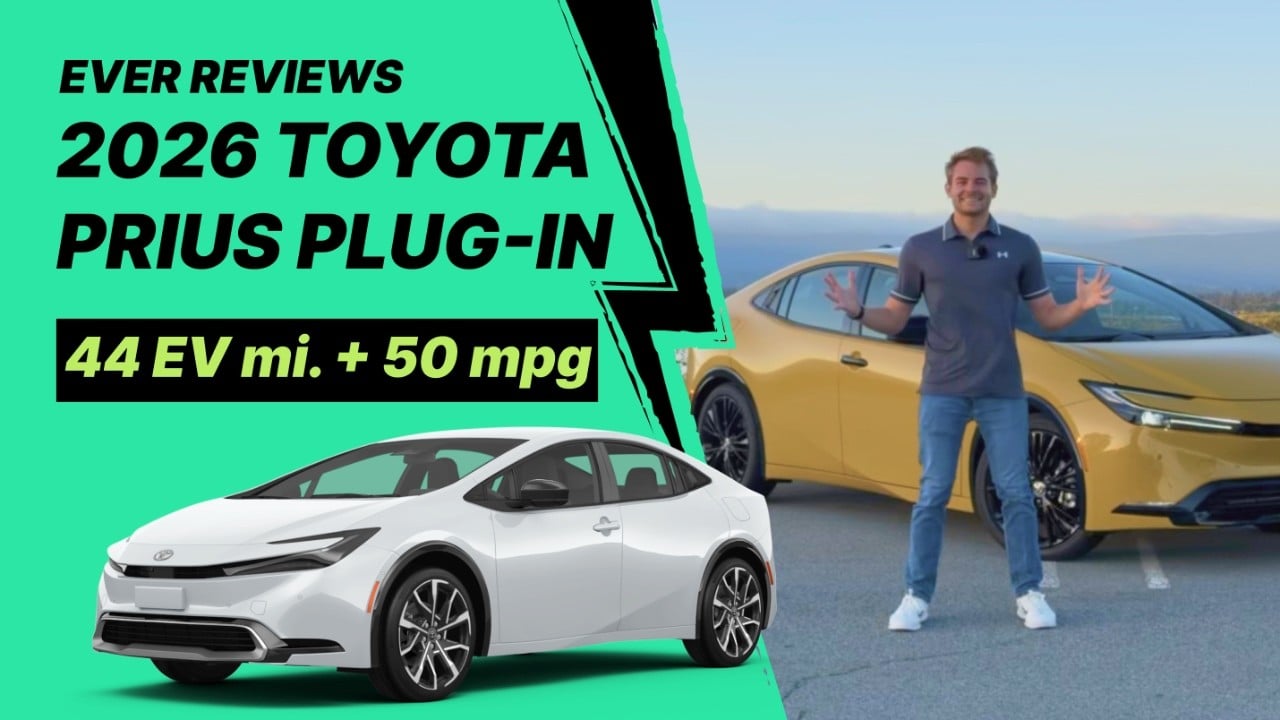
The Toyota Prius started the hybrid revolution. Now in its fifth generation, we test the Prius Prime PHEV to see if it still leads the pack.
Andrew Lambrecht
Apr 28, 2026