Up Next
Model Reviews
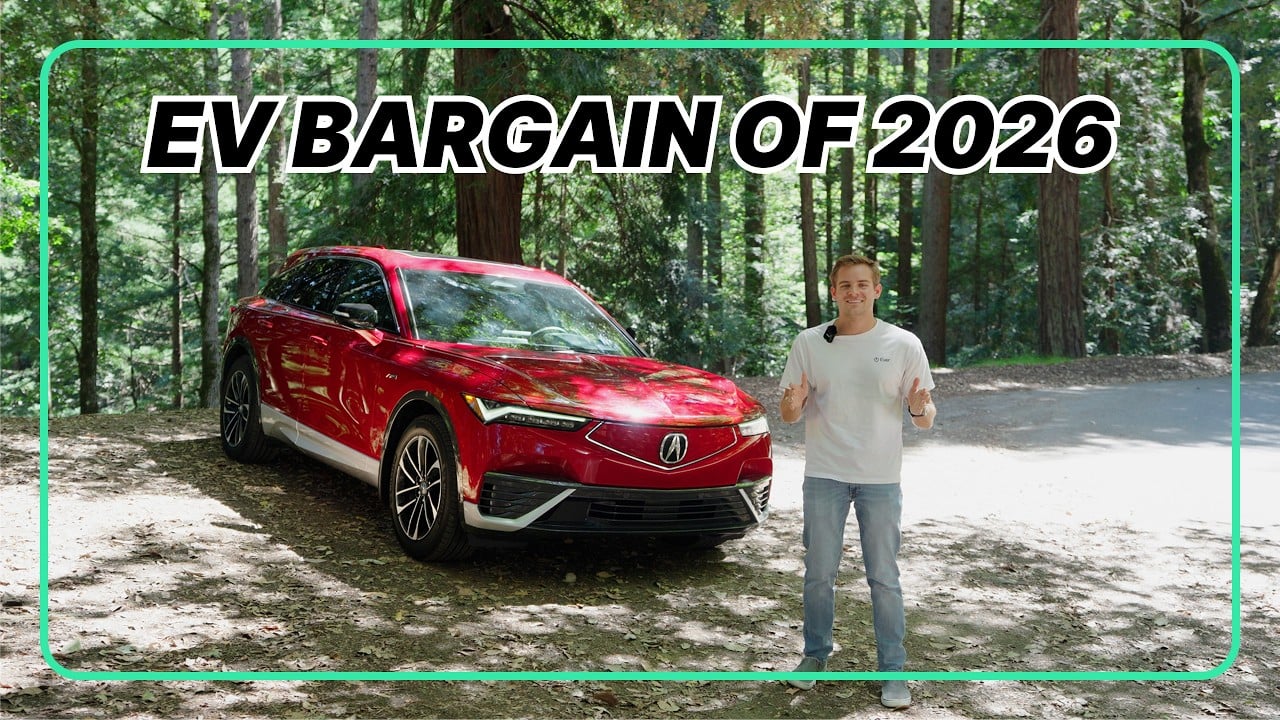
2024 Acura ZDX Review: The Ultimate $30k Used Luxury EV Bargain
We review the 2024 Acura ZDX to see if it's a used EV bargain.

Ever
Sep 18, 2026
Read resource

Andrew Lambrecht
Project Engineer
May 12, 2026
2026 Lexus RZ Review: Style Meets Substance
The original Lexus RZ didn’t really know its audience. It had all the style of a premium luxury EV but none of the substance to back it up — great build quality and a genuinely attractive design wrapped around uncompetitive range and charging speeds that felt slower than the dissolution of Pangaea. In other words, it was all style and not much substance. The car version of a LinkedIn thought leader.
But Lexus listened. And the 2026 RZ is actually a huge improvement.
To understand why the 2026 RZ matters, it helps to know where Lexus came from. Toyota and Lexus have been pioneers of electrified transportation for decades. Lexus debuted its first hybrid — the RX 400h — all the way back in 2005, making it the first luxury hybrid on the market. Hybridized versions of the GS and LS followed within just two years.
The first fully electric Lexus didn’t arrive until the 2023 model year. That was the original RZ, built on the same e-TNGA platform shared with the Toyota bZ4X and Subaru Solterra. It was a promising start on paper, but in practice it struggled where EVs are judged most harshly: real-world range and fast charging performance.
For 2026, Toyota has addressed those complaints head-on. The updated e-TNGA platform now underpins seven vehicles — three Toyotas, three Subarus, and the new Lexus RZ — and we’ve already driven the updated Toyota and Subaru versions. Both were significantly better than the outgoing models. Now it’s time to see if Lexus can deliver the same.
The numbers alone demonstrate the RZ’s improvements. Range on the base RZ now checks in at 301 miles EPA — up from 266 miles on last year’s model. Standard horsepower rises from 201 to 221, and if you opt for the top-spec F Sport trim, you’re looking at a properly quick 402 horsepower, matching the Porsche Macan 4.
The peak charge rate stays at 150 kW, but that number alone doesn’t tell the full story. The actual charging curve is significantly improved, meaning real-world charge times are meaningfully faster than the old model’s numbers would suggest. In our 10-to-80% charging test, the RZ hit that range in just 30 minutes — a result that puts it firmly in competitive territory for the segment.
All models now come standard with a Tesla NACS port, which means access to Tesla’s Supercharger network without adapters or workarounds. For anyone who’s tried to road trip in an older non-Tesla EV, that detail alone is worth paying attention to.
The 2026 RZ comes in six configurations:
RZ 350e — $47,295 | 221 hp | 301 miles Heated and ventilated front seats, heated steering wheel, 14-inch screen, adaptive cruise control, and lane centering.
RZ 350e Premium — $49,495 | 221 hp | 301 miles Everything in the base, plus a glass roof, 360° camera, ambient lighting, and hands-free tailgate.
RZ 450e AWD — $50,795 | 308 hp | 264 miles Steps up to all-wheel drive while carrying over the same core feature set as the base 350e.
RZ 450e Premium AWD — $52,995 | 308 hp | 264 miles AWD with the Premium package — glass roof, 360° camera, ambient lighting, and hands-free tailgate.
RZ 450e Luxury AWD — $58,295 | 308 hp | 257 miles The most feature-loaded AWD trim. Adds a 10-inch head-up display, remote parking assist, acoustic glass, traffic jam assist, lane change assist, and Mark Levinson audio.
RZ 550e F Sport AWD — $58,295 | 402 hp | 229 miles The performance pick. Virtual 8-speed M Mode, F Sport styling, acoustic glass, 20-inch wheels, and Ultrasuede interior. Note: lane change assist, traffic jam assist, and Mark Levinson audio require the $2,600 Luxury Package add-on.
Inside, the RZ feels like a Lexus should. Build quality is excellent, materials are premium throughout, and the 14-inch touchscreen works fine. Wireless Apple CarPlay is standard and it has route planning through Apple Maps.
There are a few issues though. The temperature controls feel laggy and there’s no built-in EV route planner — something that almost every other EV offers.
Cargo space comes in at 34.1 cubic feet with the rear seats up, which outperforms the gold standard Tesla Model Y.
The 2026 Lexus RZ has gone from a car that was difficult to recommend to one that’s genuinely worth your consideration. The range is better, the charging is better, the performance is better, and the addition of NACS means road tripping is a breeze, so long as you’ve planned out your route before getting on the road.
If maximum range is what you’re after, the base 350e at $47,295 is the move — 301 miles of EPA range and a solid standard feature set make it a compelling choice. While fun, the 550e is pricier than a Tesla Model Y Performance and Ford Mustang Mach-E GT. Both of those SUVs offer better range and performance, so we’d recommend skipping a new 550e.
Still, Lexus has improved the original RZ substantially. It’s simply a better crossover in almost every metric.
Toyota
Subaru
Tesla
Performance
Charging
Range
Road Trips
About the Author
Andrew Lambrecht
Project Engineer
Andrew Lambrecht is a project engineer at Ever and a leading voice in the electric vehicle sector. An industrial engineer by training and a prolific contributor to outlets like Forbes, Business Insider, InsideEVs, and MSN, Andrew blends technical expertise with sharp insights on EVs, mobility trends, and charging.
Up Next
Model Reviews
We review the 2024 Acura ZDX to see if it's a used EV bargain.
Ever
Sep 18, 2026
Read resource

Watch
Model Reviews
We explore the 2025 Fiat 500e Giorgio Armani Edition to see if it's worth $37,495.
Andrew Lambrecht
Aug 27, 2026
Watch
Model Reviews
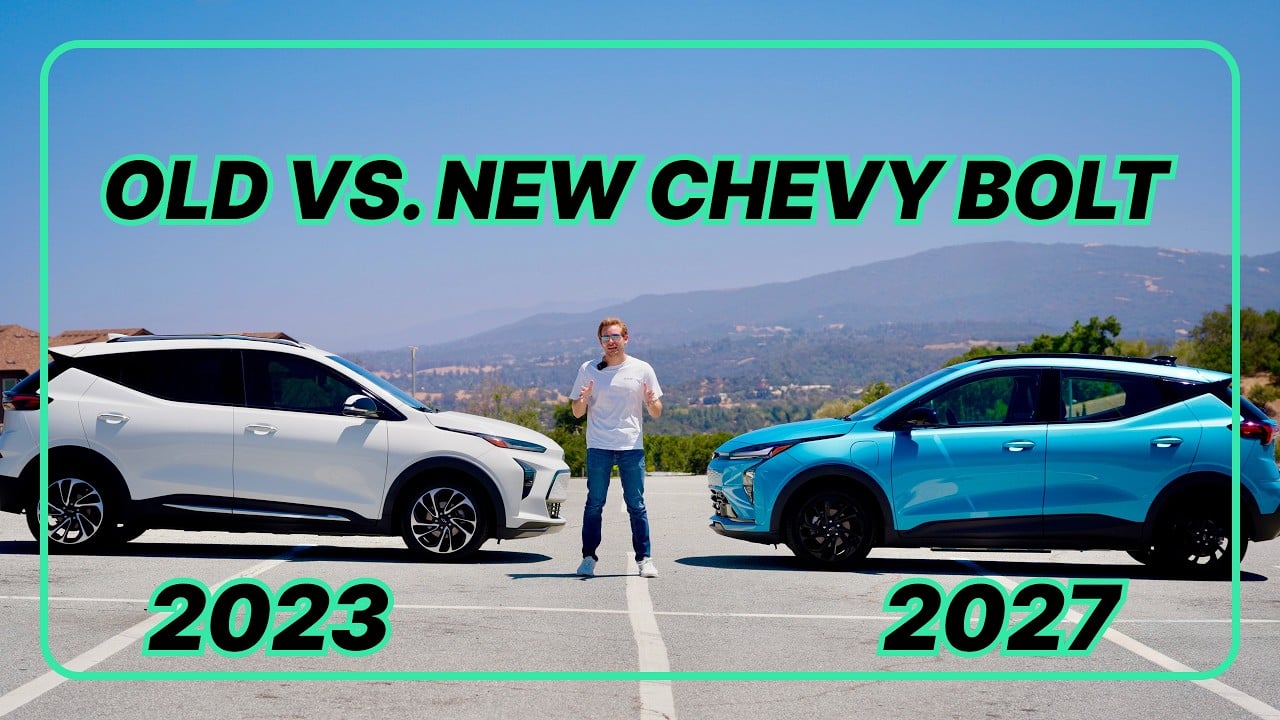
We compare the old 2023 Chevrolet Bolt EUV against the updated 2027 Bolt to see charging, range, and tech changes.
Andrew Lambrecht
Aug 25, 2026
Watch
Model Reviews
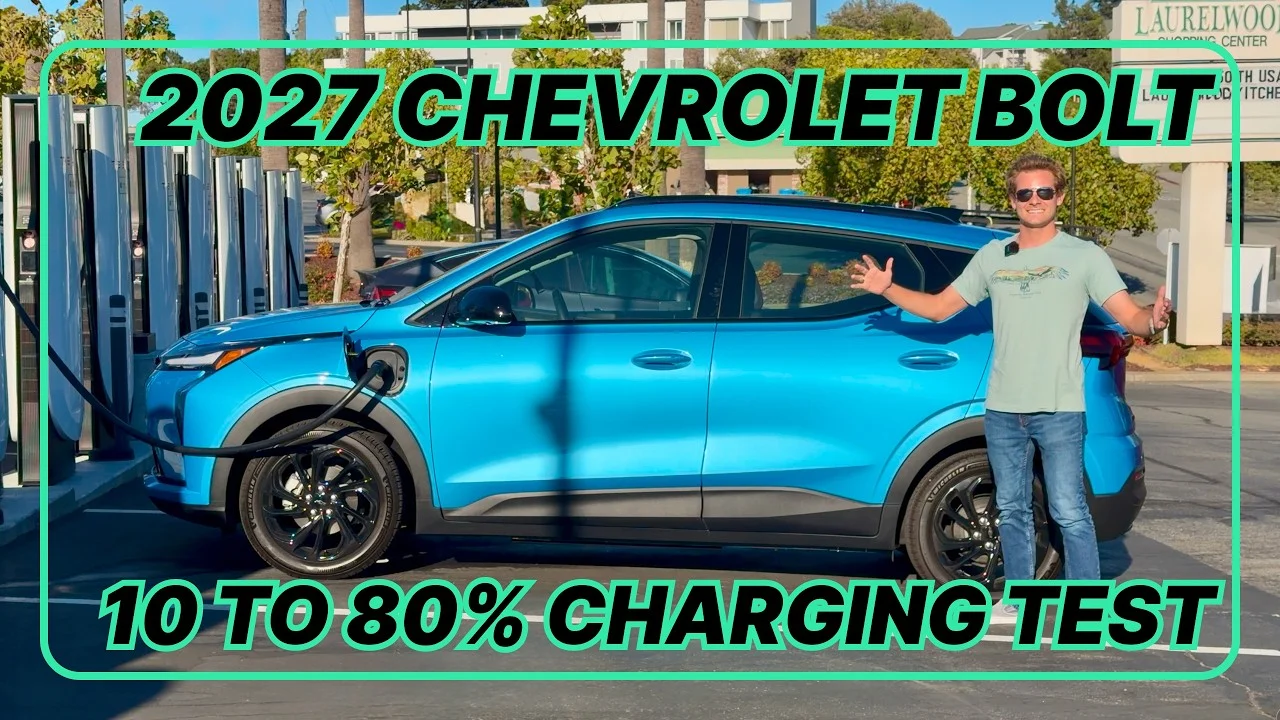
We put the 2027 Chevrolet Bolt through a real-world 10% to 80% DC fast-charging test at a Tesla Supercharger to validate GM's 25-minute charging claim.
Andrew Lambrecht
Aug 11, 2026
Watch
Model Reviews
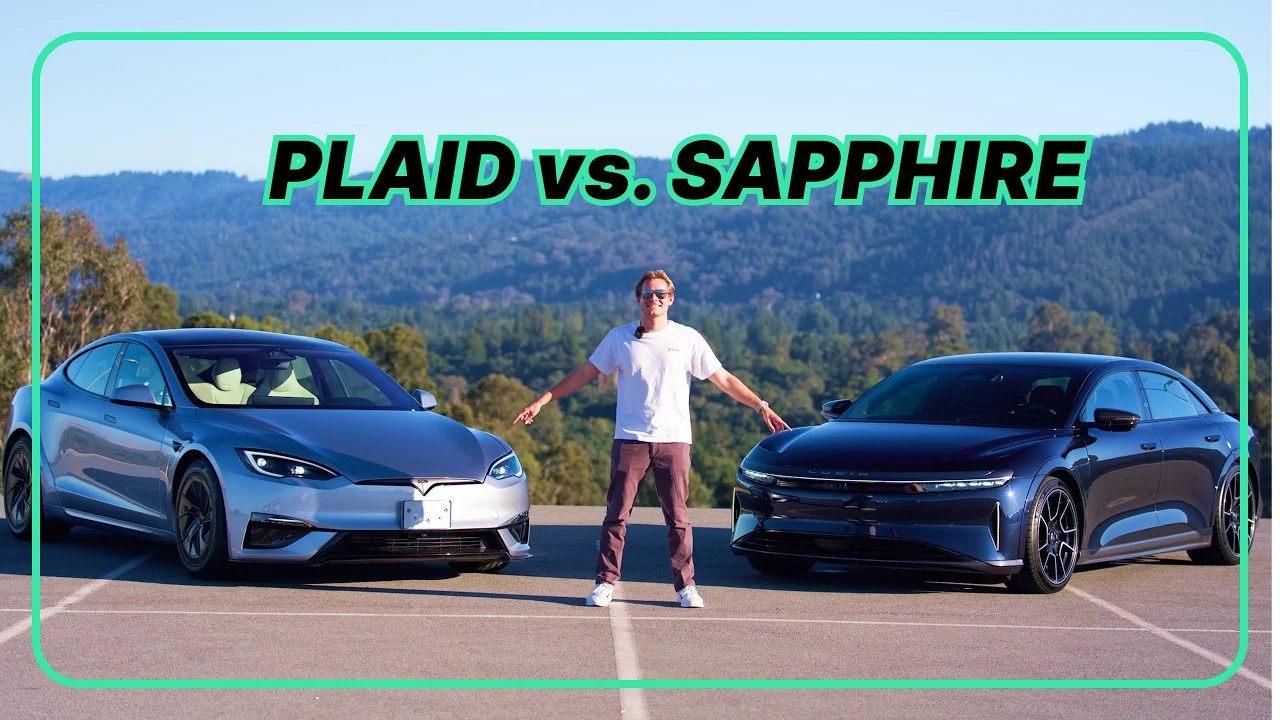
We compare the 1,020-hp Tesla Model S Plaid against the 1,234-hp Lucid Air Sapphire
Andrew Lambrecht
Aug 7, 2026

Watch
Model Reviews
We compare four of the best used EVs under $25,000 in 2026, analyzing the real-world ownership pros and cons of the Model 3, Mach-E, IONIQ 5, and Polestar 2.
Andrew Lambrecht
Jun 30, 2026

Watch
Model Reviews
We break down the updated 2026 Hyundai IONIQ 5. Explore the larger 84kWh battery, trim level standard features, and massive promo price cuts undercutting the Model Y.
Andrew Lambrecht
Jun 22, 2026