1. General Questions
Why to Buy an Electric Car? Compared to traditional gasoline or diesel engine cars, electric cars are significantly cheaper to maintain and essential for local air quality. In 2026, EVs are often the first to receive cutting-edge software and autonomous features, as manufacturers typically pioneer new tech in their flagship EV models before it ever reaches traditional gas vehicles.
What is the Difference Between Electric and Hybrid Cars? Electric cars (BEVs) rely on large battery packs as their only power source and produce zero tail-pipe emissions. Hybrid and plug-in hybrid cars still carry internal combustion engines. In 2026, many plug-in hybrids (PHEVs) offer 50+ miles of all-electric range, though they still require traditional engine maintenance like oil changes.
What Electric Car Models are Available? There are now over 70 electric car models available in the US. The market has matured from luxury sedans to include affordable compacts, three-row family SUVs, and a wide variety of high-performance trucks.
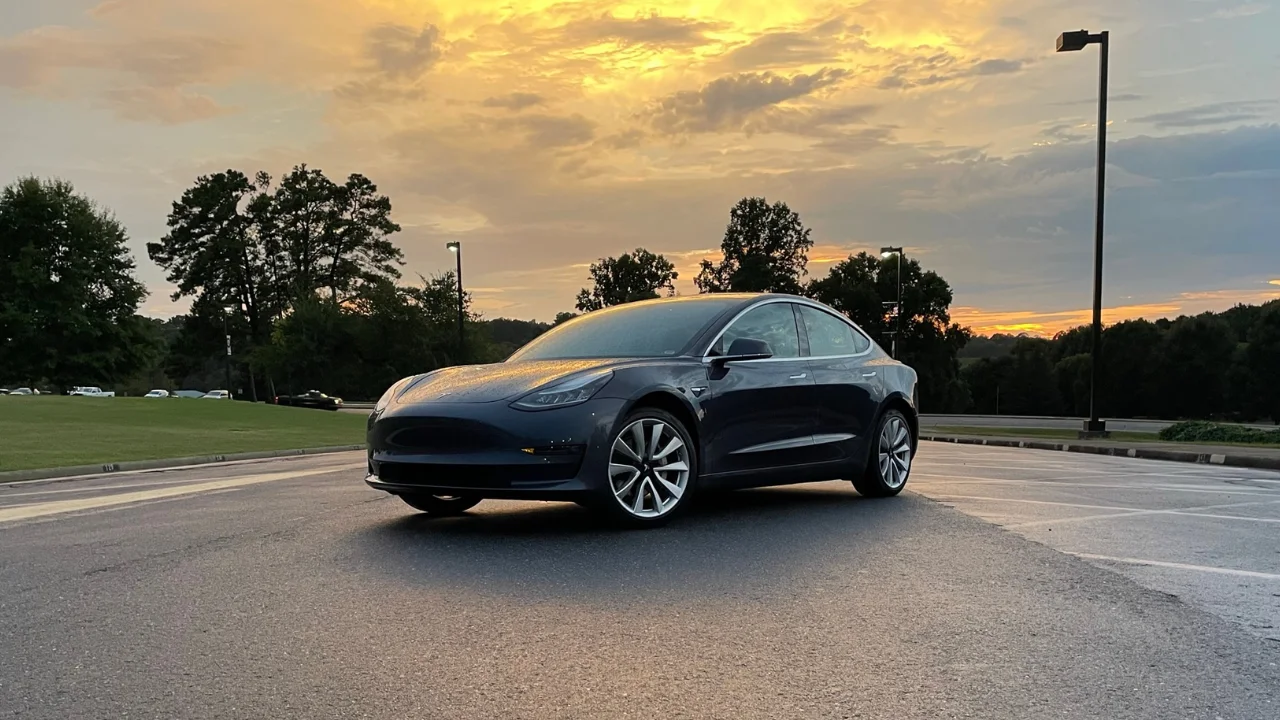
Are Electric Cars More Expensive? The "sticker price" gap has largely vanished. A new Tesla Model 3 (~$38,000) now costs significantly less than the average new car in the US, which has reached approximately $50,000. Even without the broad federal tax credits that sunsetted in late 2025, EV owners typically save $1,500–$2,200 per year in total fuel and maintenance costs.
2. Buying Used Electric Cars
Are Used Electric Cars Reliable? Absolutely. Modern EVs are built to outlast their combustion counterparts. By 2026, data has proven that battery degradation is much slower than initially feared. With no timing belts, spark plugs, or exhaust systems to fail, a used EV from the 2020-2024 era is often a safer long-term bet than a high-mileage gas car.
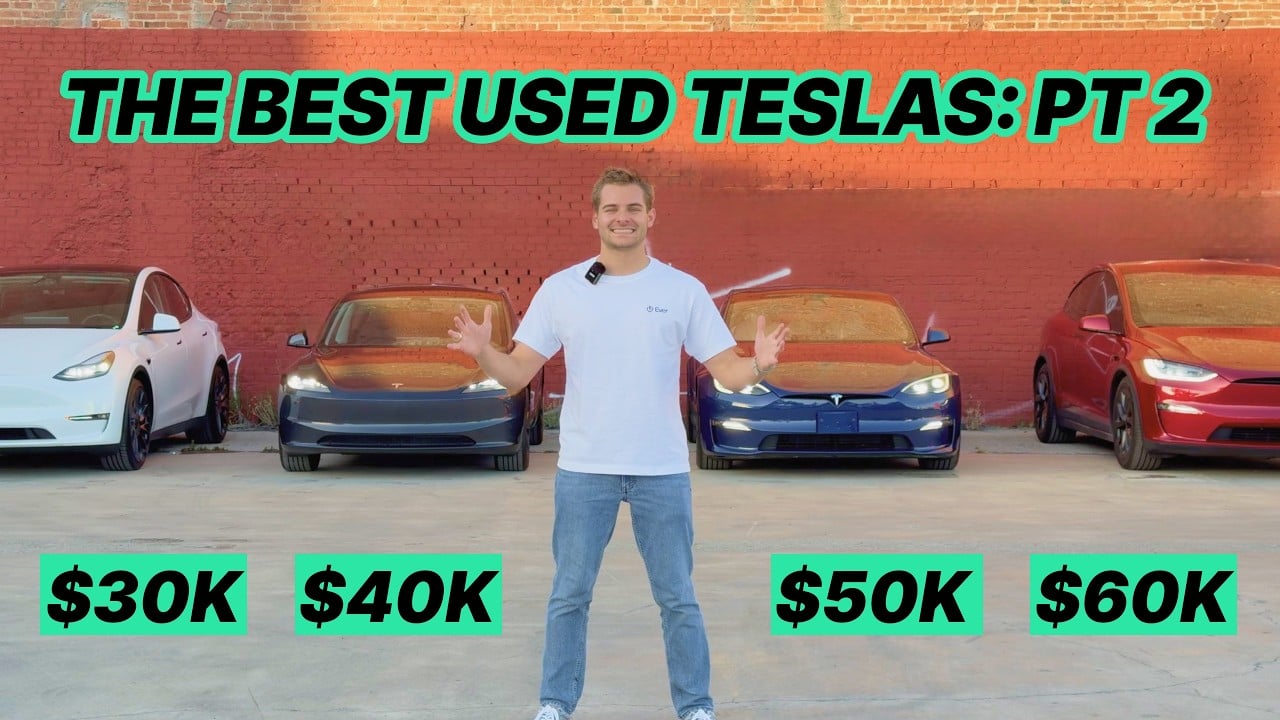
Are Used Electric Cars Affordable? Very. 2026 has seen a surge in high-quality used inventory. You can now find 2023 Tesla Model 3s for under $25,000, and newer models like the Hyundai IONIQ 5 or Kia EV6—which previously held high premiums—are increasingly available in the mid-$20,000 range.
Where Should I Buy Used Electric Cars? We recommend buying from EV-expert retailers, such as Ever. This ensures the battery health has been physically verified and that you receive the correct charging adapters, as almost all brands have now transitioned to the NACS (Tesla-style) charging standard.
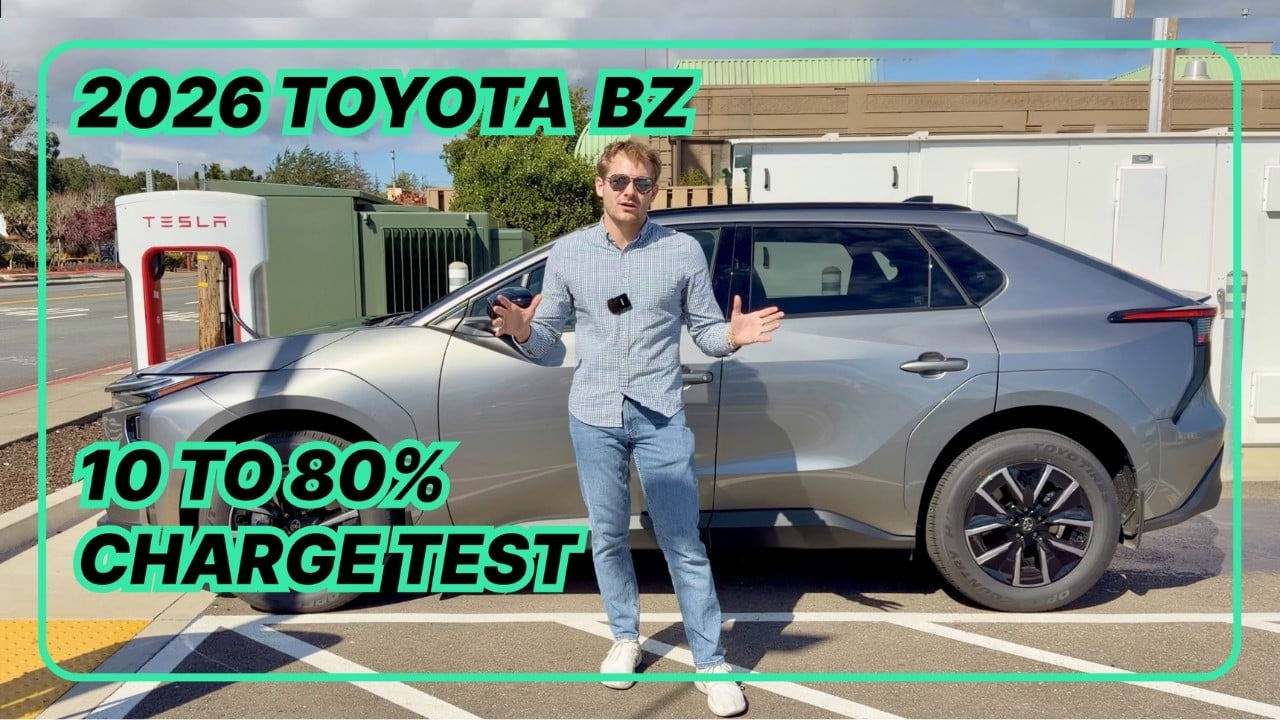
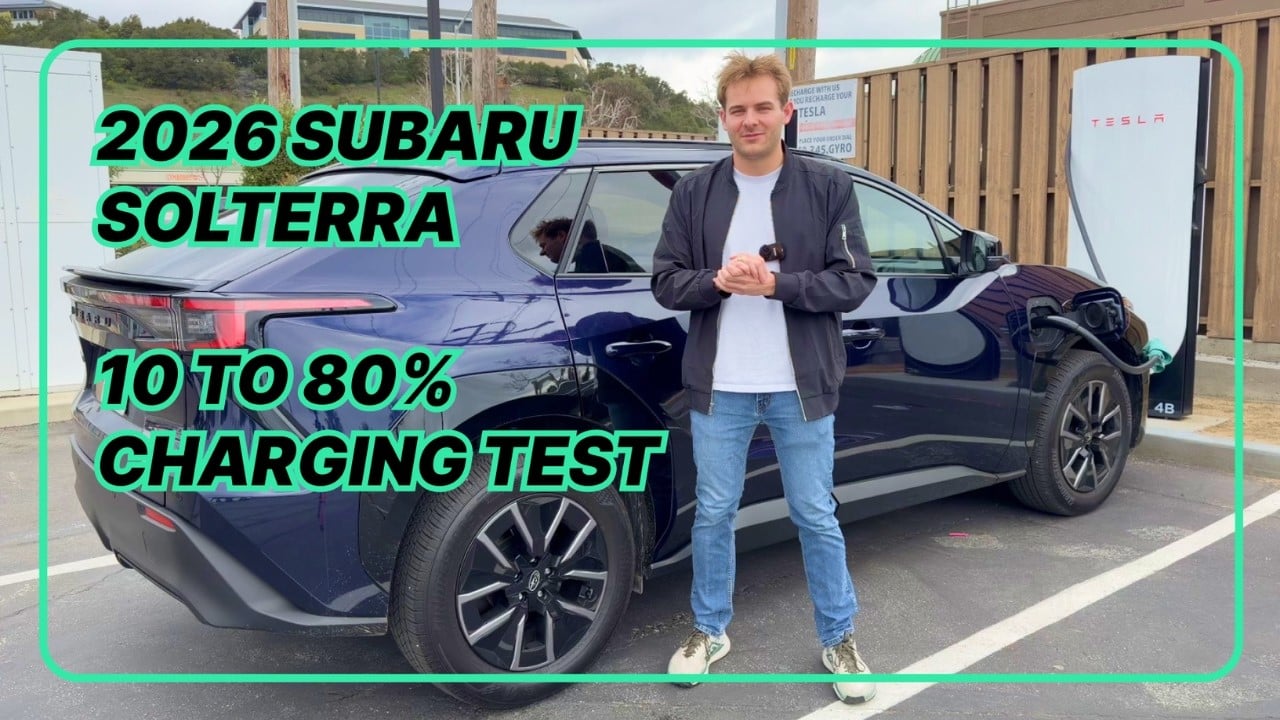
How to Choose the Right Electric Car? Beyond size and price, consider charging speed. While older EVs might take 45+ minutes to charge, newer models like the IONIQ 5 and EV6 can charge from 10% to 80% in just 18 minutes. Also, check for "eyes-off" features; while standard on many flagships, systems like Mercedes-Benz's Drive Pilot represent the peak of what's currently possible in the US.
3. Selling Used Electric Cars
How to Get the Best Price for My Electric Car? Sell to a buyer who values your car's State of Health (SOH). In 2026, savvy buyers aren't just looking at mileage; they want a certified battery diagnostic report. EV-focused retailers like Ever use specialized tools to verify your battery's capacity, often allowing them to offer a better price than a generalist dealer.
4. Costs and Incentives
Can I Get Tax Credits for Used EVs? The federal $4,000 used EV credit expired on September 30, 2025. However, many states (like CA, NY, and WA) and local utility companies still offer point-of-sale rebates ranging from $1,000 to $4,000 for used EV buyers.
How Much Does It Cost to Charge an EV? At-home charging costs between $6 and $30 for a full charge, depending on your local utility rate. Even with electricity prices rising in 2026, switching from gas still saves the average driver roughly 75% on "fuel" costs.
5. Maintenance and Warranties
How Much Does EV Maintenance Cost? On average, EV owners save roughly $500 per year on maintenance alone. Beyond tires and cabin air filters, there is very little "scheduled" maintenance, and regenerative braking means your brake pads can last twice as long as they would on a gas car.
6. Batteries and Battery Health
How Long Do Electric Car Batteries Last? Most modern batteries are designed to last 15 to 20 years. In 2026, many standard-range models use LFP (Lithium Iron Phosphate) batteries, which can be charged to 100% daily and are rated for over 500,000 miles of total use.
How to Maintain EV Battery Health? For most models, keep the average charge between 20-80% for daily use and reserve Level 3 "Fast Charging" for road trips. If your car has an LFP battery, charging to 100% once a week is actually recommended by the manufacturer.
7. Charging and Range
How Much Range Do I Need? The 2026 standard for a "Long Range" EV is now 300+ miles. While the average daily commute is still around 41 miles, the extra buffer is valuable for maintaining efficiency in cold weather or during high-speed highway travel.
Which Kind of Charger Should I Use?
Level 2: The standard for home/work charging; gentlest on the battery.
Level 3 (DC Fast): Modern 800V architecture (like the E-GMP platform) can now add 200+ miles of range in under 20 minutes. These chargers are now ubiquitous across the US highway system.
8. Environment and Health
Are Electric Cars Really More Sustainable? Yes. As of 2026, the US electrical grid is significantly cleaner than it was just five years ago. EVs now produce 60-80% fewer lifecycle emissions than comparable gas cars. Furthermore, the US has established a robust closed-loop recycling industry, recovering over 95% of minerals from old batteries to build new ones.