Guides
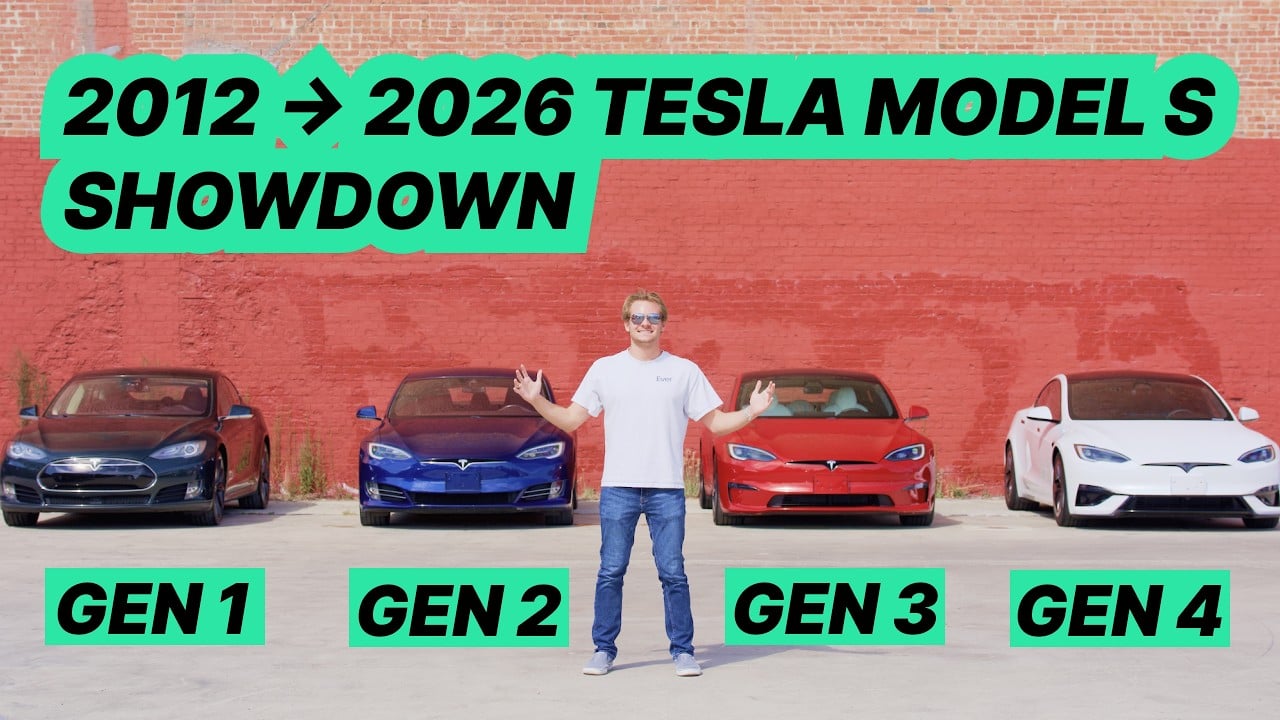
Every Tesla Model S Year Compared (2012–2026)
A complete year-by-year breakdown and buyer's guide for the Tesla Model S, covering every battery change, tech update, and trim revision from 2012 to 2026.
 A
AAndrew Lambrecht · Sep 1, 2026
 Watch
Watch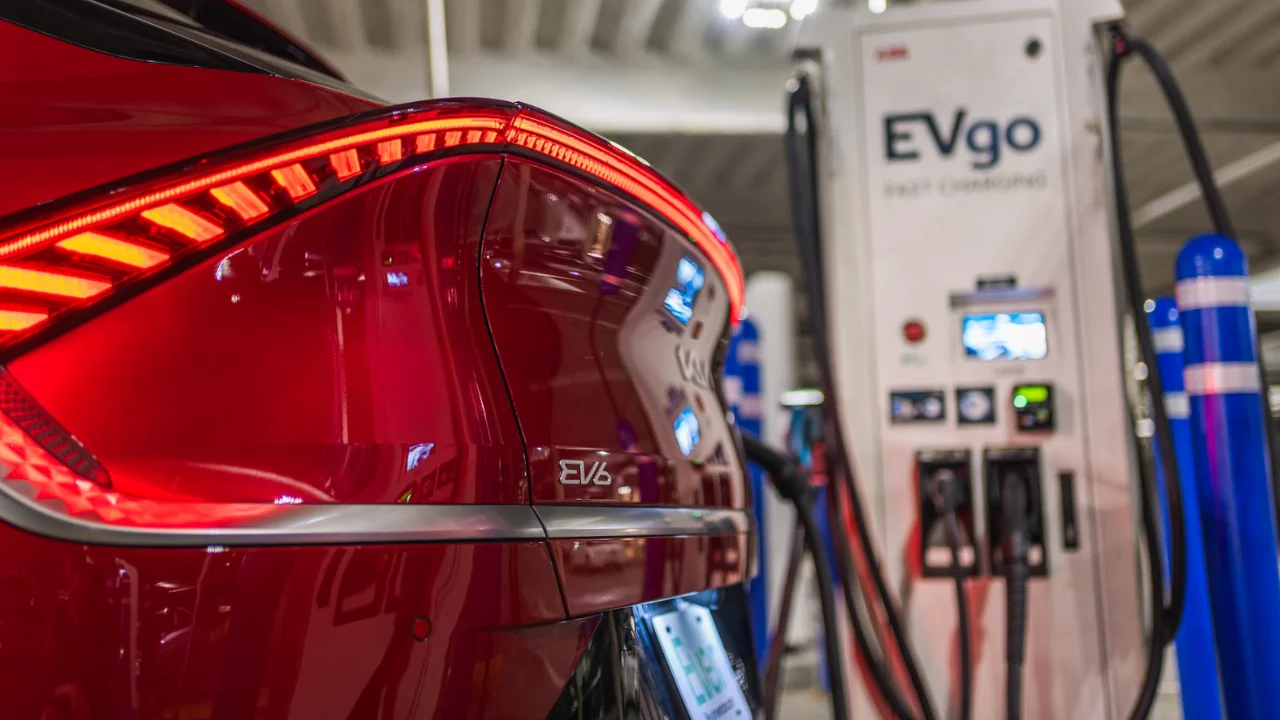
One of the main considerations in charging an electric car is selecting between a Level 3, Level 2, or Level 1 charger. While charging speed is the primary differentiator, variations in availability, hardware compatibility, and the chemical impact on battery longevity play equally critical roles.
The following breakdown updates the specifications to reflect 2026 standards through the lens of a writer and a battery engineer.
Charging Time: Up to 40 minutes (10% to 80%)
Range Per Hour: 200 – 450+ miles
Power Output: 50 – 500 kW
Level 3 charging, or DC Fast Charging (DCFC), delivers high-voltage direct current directly to the battery, bypassing the vehicle's onboard AC-to-DC converter. This allows for rapid replenishment, especially for vehicles with 800-volt architectures which can now sustain higher peak power closer to the 500 kW limit.
As of 2026, the industry has standardized around the NACS (North American Charging Standard). While older EVs require adapters, almost every major automaker has transitioned to native NACS ports for access to the most reliable high-speed networks.
Level 3 charging can be a high-stress event for the battery chemistry. Forcing high current into cells not only creates heat, but it can cause "lithium plating," where lithium ions form a metallic layer on the anode instead of properly integrating into it. This permanently reduces capacity. High-power charging above 100 kW can accelerate battery fade compared to those who primarily use slower AC charging. However, EV battery management systems (BMS) are designed to reduce the charging rate when necessary to ensure long-term battery health.
Charging Time: 4 – 10 hours
Range Per Hour: 25 – 80 miles
Power Output: 7.2 – 19.2 kW
Level 2 is the standard for daily use, operating on a 240V circuit similar to large home appliances. It provides enough power to fully charge most modern 75-100 kWh batteries overnight. In 2026, high-efficiency vehicles paired with 80-amp home chargers can recover up to 80 miles of range per hour.
Level 2 is more efficient than Level 1. Because an EV must keep its cooling systems and on-board computers active during a charging session, a faster Level 2 charge means those systems run for less time, wasting less energy overall. Additionally, many 2026 models utilize Level 2 power for "preconditioning"—warming the battery to its optimal chemical operating window before departure to preserve range in winter.
Charging Time: 20 – 40+ hours
Range Per Hour: 3 – 5 miles
Power Output: ~1.4 kW
Level 1 uses a standard household outlet and remains the slowest charging method available. While it requires no additional infrastructure, it has struggled to keep pace as EV battery sizes have increased. For a modern vehicle with a large battery pack, a full charge can take nearly two days.
Beyond the slow pace, Level 1 suffers from "vampire" efficiency loss. If a vehicle's thermal management system requires significant energy to maintain internal temperatures in the cold, a Level 1 charger may have very little power left for actual range. In extreme winter conditions, the effective charge rate can drop to nearly zero. However, if you’re at an Airbnb for the weekend, Level 1 charging can make a lot of sense.
Guides
A complete year-by-year breakdown and buyer's guide for the Tesla Model S, covering every battery change, tech update, and trim revision from 2012 to 2026.
AAndrew Lambrecht · Sep 1, 2026
Watch Watch
WatchGuides
We compare four of the best used electric cars under $20,000 in 2026, analyzing the Bolt EUV, Niro EV, Model 3, and ID.4 on specs, charging, and value.
AAndrew Lambrecht · Aug 18, 2026
 Watch
WatchGuides
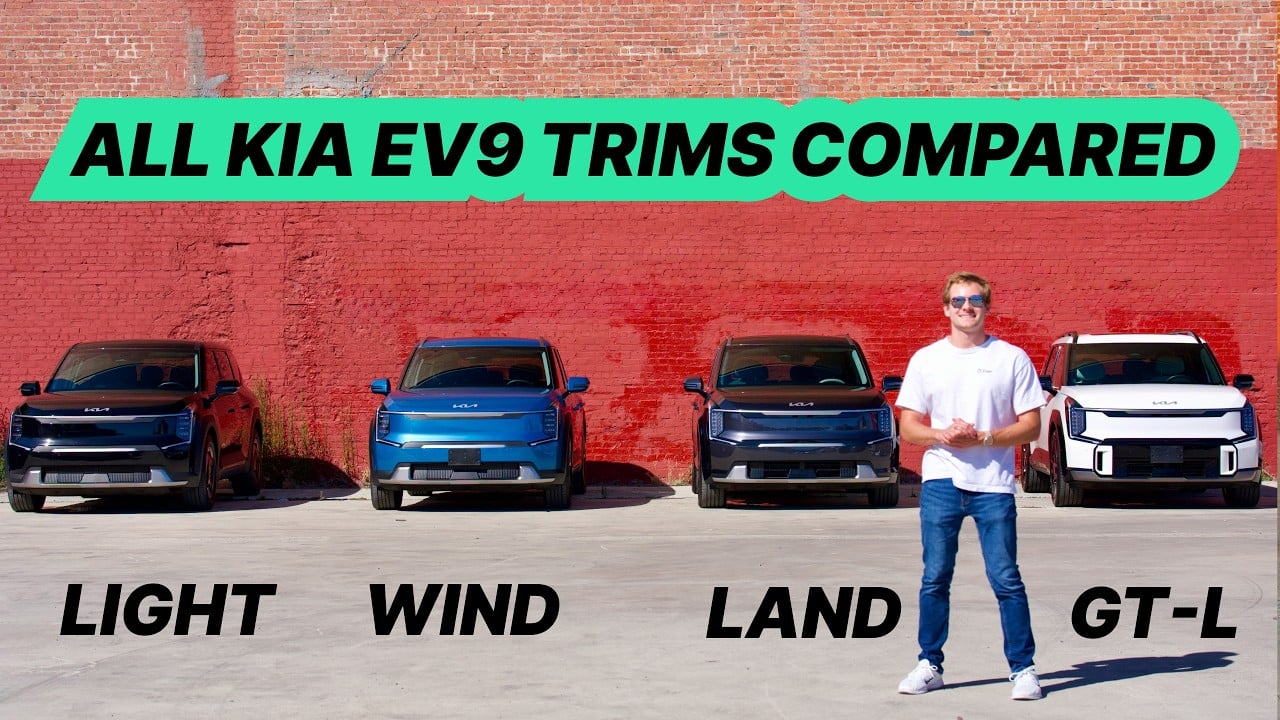
We break down all five Kia EV9 trims. Discover pricing, 800V fast-charging specs, real-world range numbers, and our top trim recommendations.
AAndrew Lambrecht · Jul 31, 2026
 Watch
WatchGuides
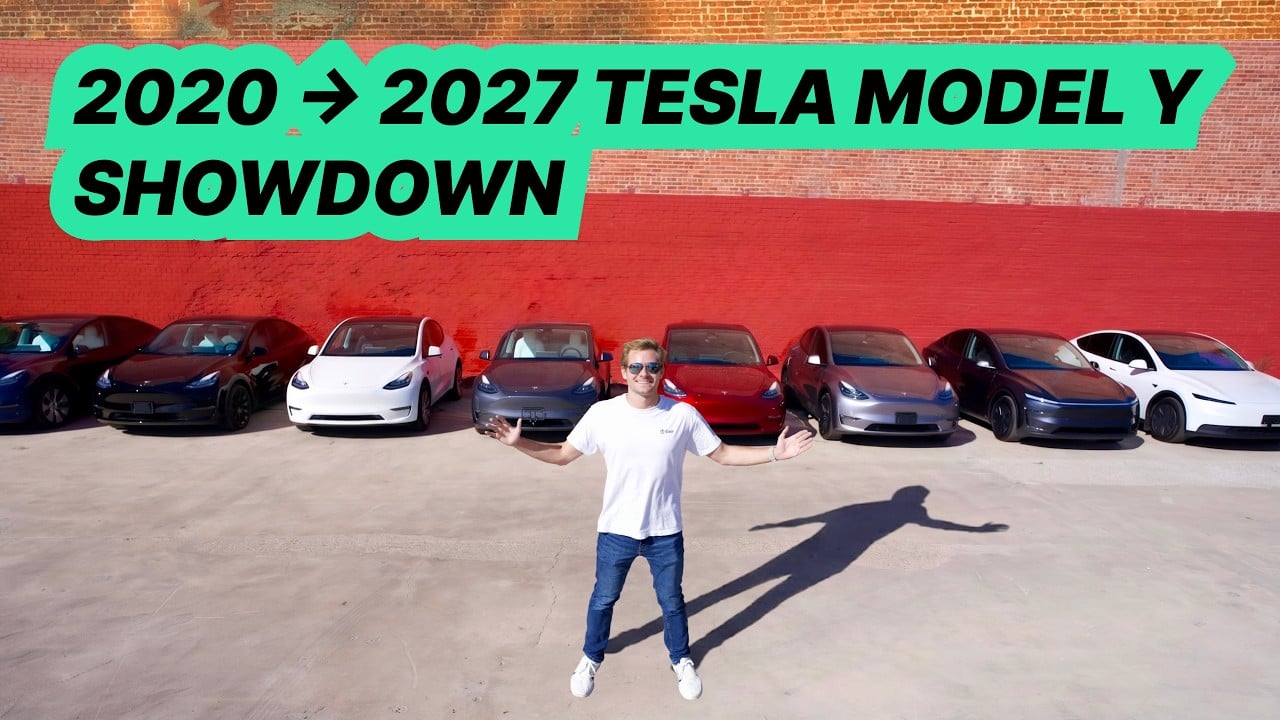
Shopping for a used Tesla Model Y? We break down every hardware update, battery change, interior tweak, and feature removal from 2020 through 2027.
AAndrew Lambrecht · Jul 24, 2026
 Watch
WatchGuides
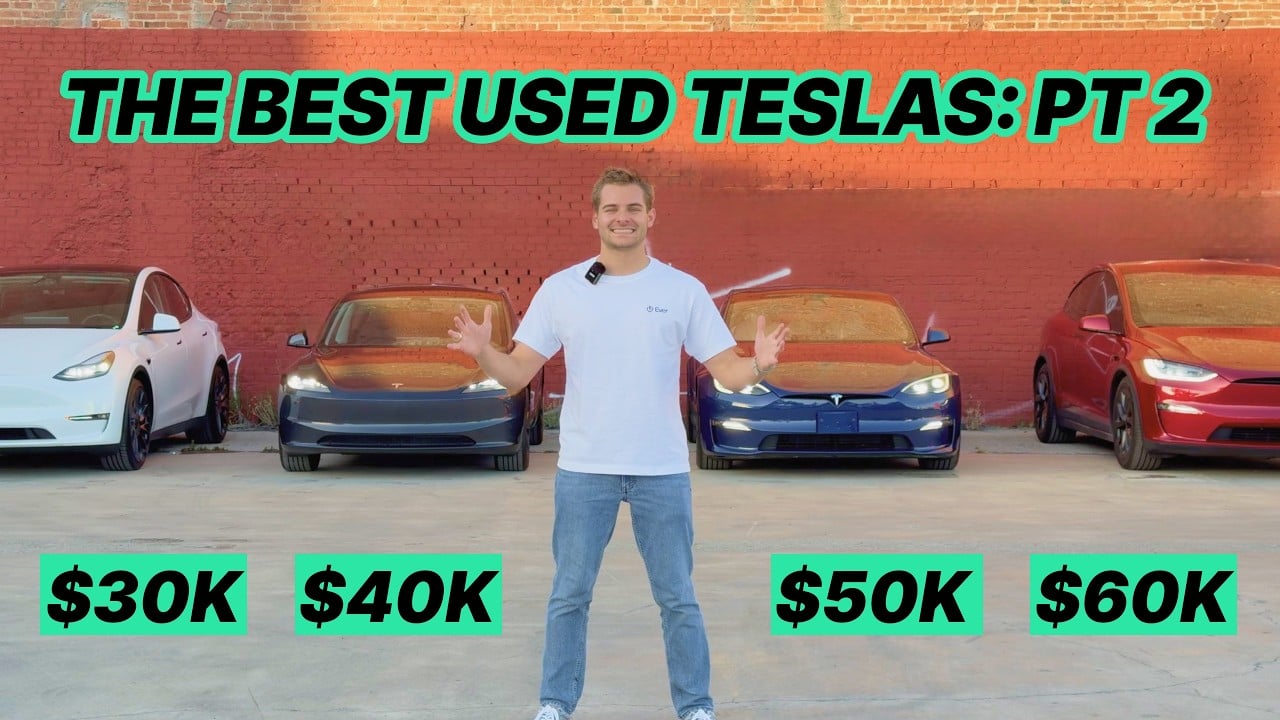
We take an honest look at the $30,000 to $60,000 used Tesla market, breaking down the specific build dates, hardware specs, and real-world trade-offs for each budget tier.
AAndrew Lambrecht · Jun 4, 2026
 Watch
WatchGuides
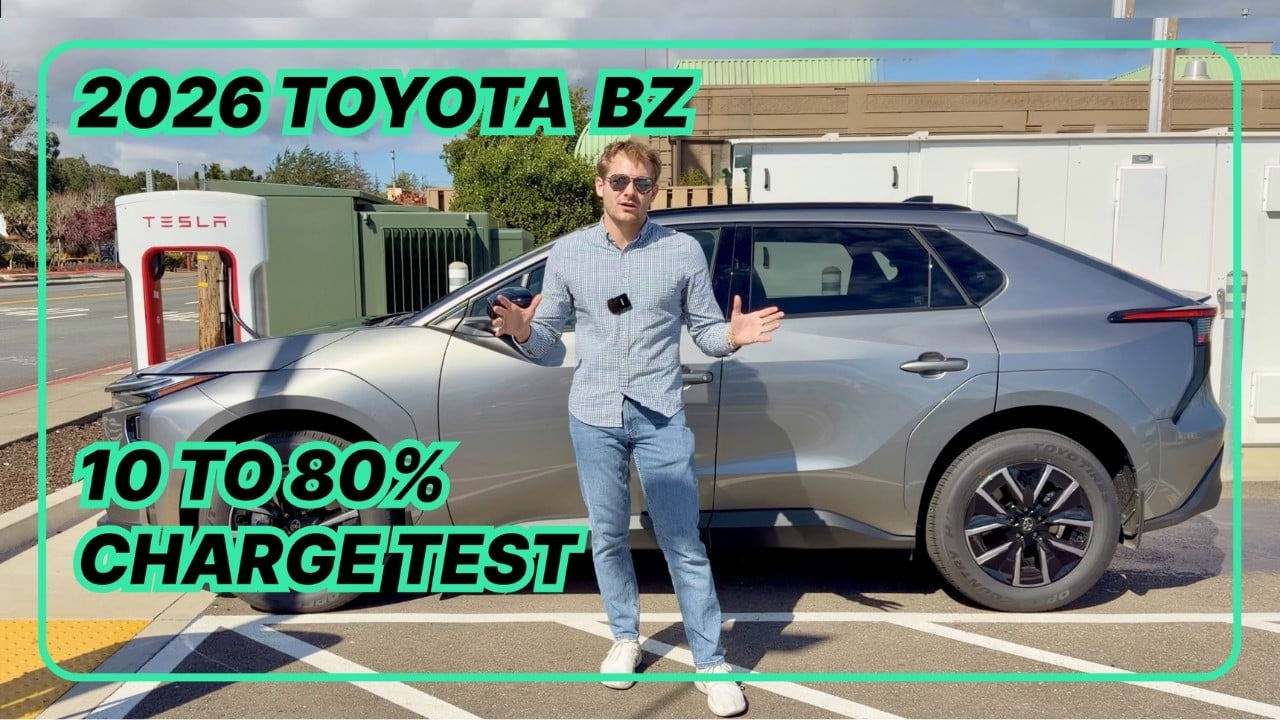
We took the 2026 Toyota bZ XLE Plus to a Tesla V3 Supercharger and hit 10–80% in just 26 minutes — beating Toyota's estimate.
AAndrew Lambrecht · Mar 6, 2026
 Watch
WatchGuides
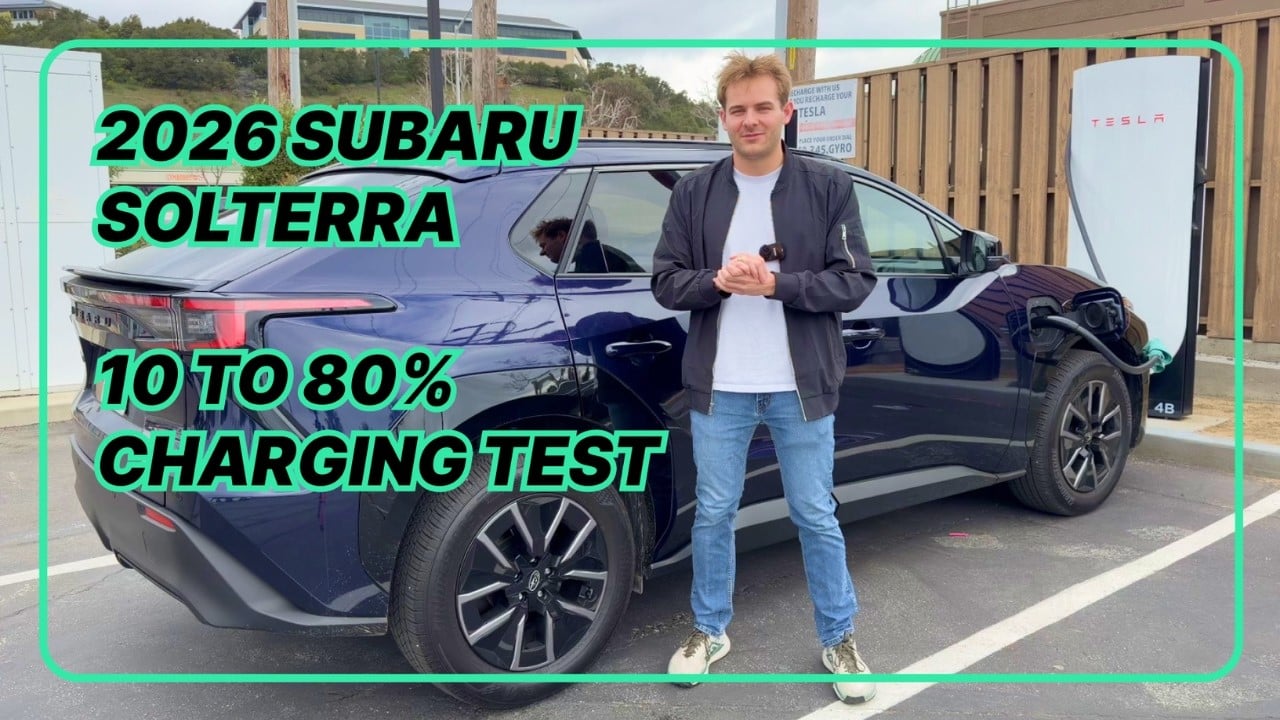
We took the 2026 Subaru Solterra to a Tesla V3 Supercharger and hit 10–80% in just 27 minutes — beating Subaru's own estimate. Here's what changed.
AAndrew Lambrecht · Mar 4, 2026
Browse EVs by model
Browse EVs by style
Browse EVs by location
Sell my car