Guides
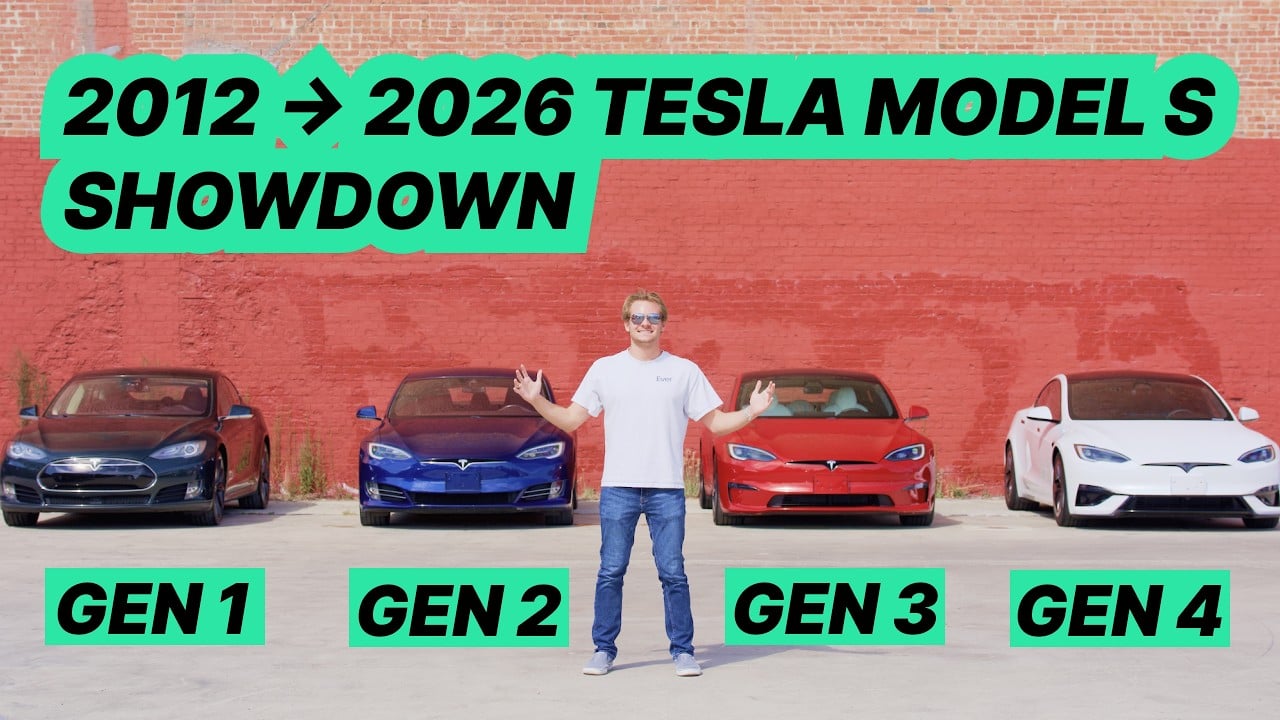
Every Tesla Model S Year Compared (2012–2026)
A complete year-by-year breakdown and buyer's guide for the Tesla Model S, covering every battery change, tech update, and trim revision from 2012 to 2026.
 A
AAndrew Lambrecht · Sep 1, 2026
 Watch
Watch
Generally, electric cars require little maintenance and are remarkably reliable. Unlike internal combustion engines, an electric car’s powertrain houses only about a dozen moving parts, making breakdowns less likely than traditional gasoline or diesel engines with their thousands of moving components.
However, EVs are not immune to issues. They still utilize air conditioning systems, power seats, and sunroofs that can fail over time. While rare, failures in battery management systems or electronic control modules can be expensive. Typical out-of-warranty repair costs include:
Tesla Model S: MCU ($2,500), Onboard charger ($2,400), Electronic Control Module ($1,000).
Ford Mustang Mach-E: DC-to-DC Converter ($2,000), Infotainment & Computer ($1,500).
Rivian R1T: Charge Port ($2,000), Air suspension ($1,800), HVAC Mgmt System ($1,700).
Manufacturer Warranties: Standard on all new vehicles, providing quality assurance directly from the factory.
Dealer Warranties: Coverage provided by a retailer to complement factory terms, often found on certified pre-owned (CPO) inventory.
Extended Warranties: Discretionary protection plans purchased to maintain coverage after factory terms expire.
Often called a bumper-to-bumper warranty, this covers almost every component onboard, from window switches to touchscreens. It excludes wear-and-tear items like tires, windshield wipers, and brake pads.
Common Basic Warranty Periods:
3 Years / 36,000 Miles: Honda, Toyota, Chevrolet, and Ford.
4 Years / 50,000 Miles: Tesla, BMW, Polestar, Cadillac, Volkswagen, and Audi.
5 Years / 60,000 Miles: Kia, Hyundai, Rivian, and Jaguar.
An EV’s powertrain warranty typically covers the battery, electric motors, and propulsion hardware. These terms almost always exceed the basic vehicle warranty and, in many cases, exceed the federal mandate to provide additional peace of mind.
Common Powertrain & Battery Terms:
Tesla Model 3/Y RWD: 8 years / 100,000 miles.
Tesla Model 3/Y AWD: 8 years / 120,000 miles.
Tesla Model S & X: 8 years / 150,000 miles.
Rivian R1T & R1S: 8 years / up to 175,000 miles.
Hyundai & Kia (EV System): 10 years / 100,000 miles.
While the internal combustion powertrain warranty for these brands typically drops to 5 years/60,000 miles for second owners, the EV System Warranty is different. This specialized powertrain coverage—which protects the battery pack, electric motors, and onboard charger—is fully transferable to subsequent owners for the full 10-year or 100,000-mile term.
In the U.S., all new electric cars are federally mandated to have at least an 8-year or 100,000-mile battery warranty. This warranty is transferable and protects against defects and significant capacity loss—typically defined as the battery dropping below 70% state of health. Several automakers offer warranties extending the mandate, like Kia, Hyundai, Tesla, Rivian, and others.
Guides
A complete year-by-year breakdown and buyer's guide for the Tesla Model S, covering every battery change, tech update, and trim revision from 2012 to 2026.
AAndrew Lambrecht · Sep 1, 2026
Watch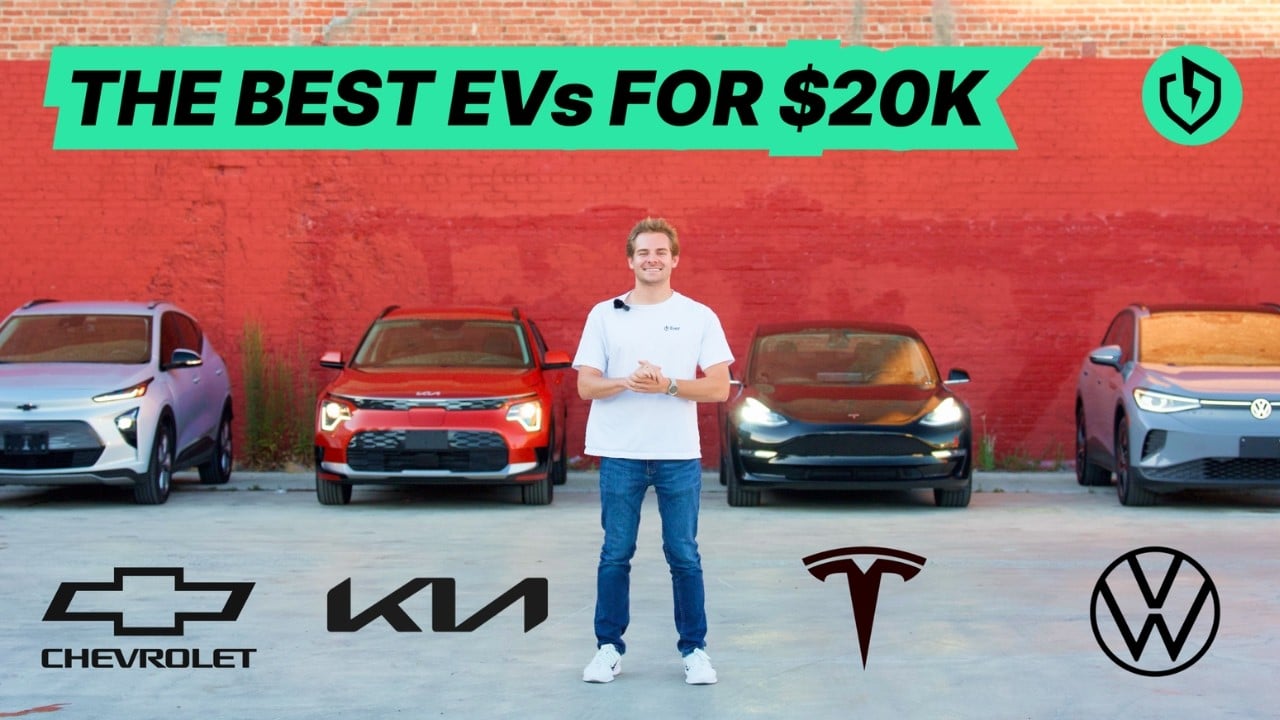 Watch
WatchGuides
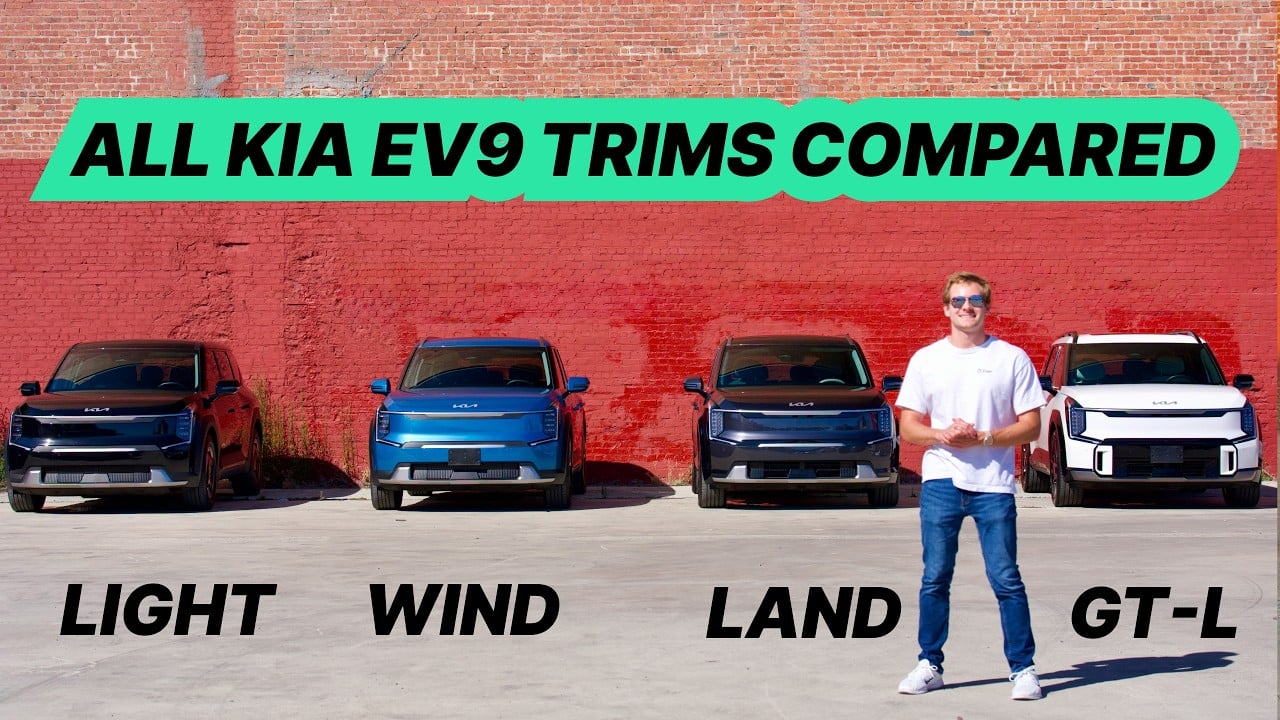
We compare four of the best used electric cars under $20,000 in 2026, analyzing the Bolt EUV, Niro EV, Model 3, and ID.4 on specs, charging, and value.
AAndrew Lambrecht · Aug 18, 2026
 Watch
WatchGuides
We break down all five Kia EV9 trims. Discover pricing, 800V fast-charging specs, real-world range numbers, and our top trim recommendations.
AAndrew Lambrecht · Jul 31, 2026
 Watch
WatchGuides
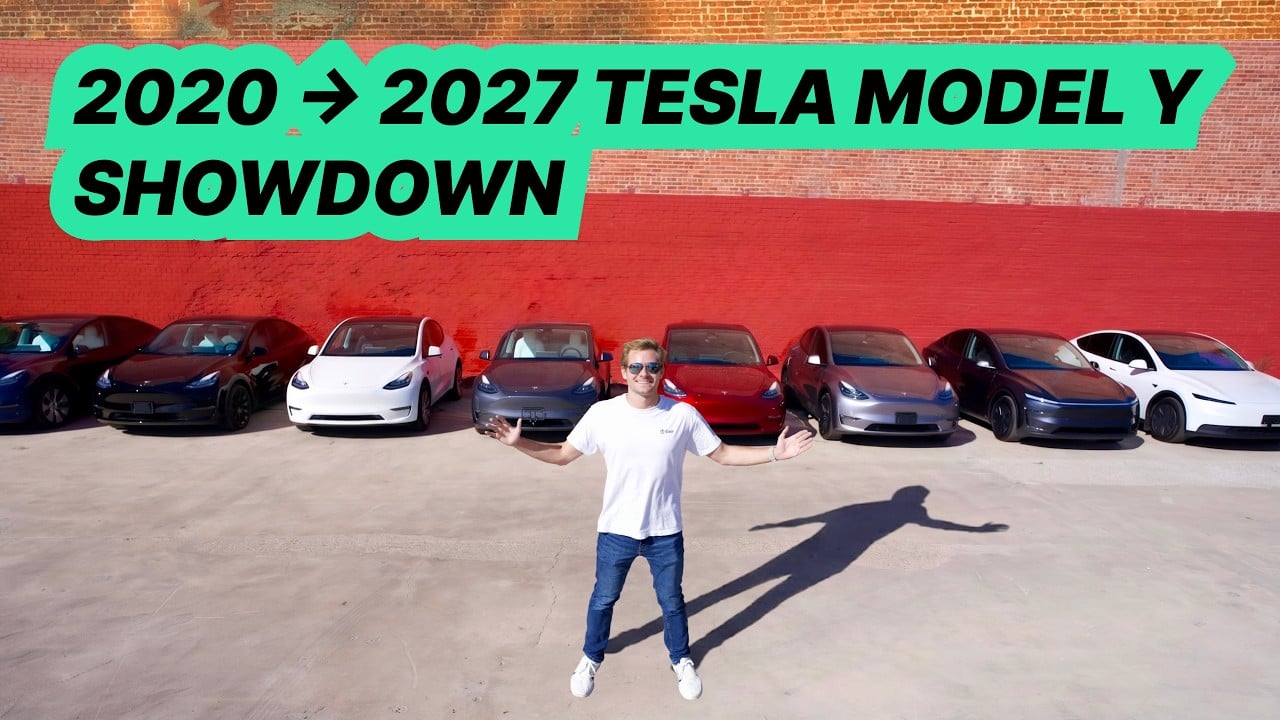
Shopping for a used Tesla Model Y? We break down every hardware update, battery change, interior tweak, and feature removal from 2020 through 2027.
AAndrew Lambrecht · Jul 24, 2026
 Watch
WatchGuides
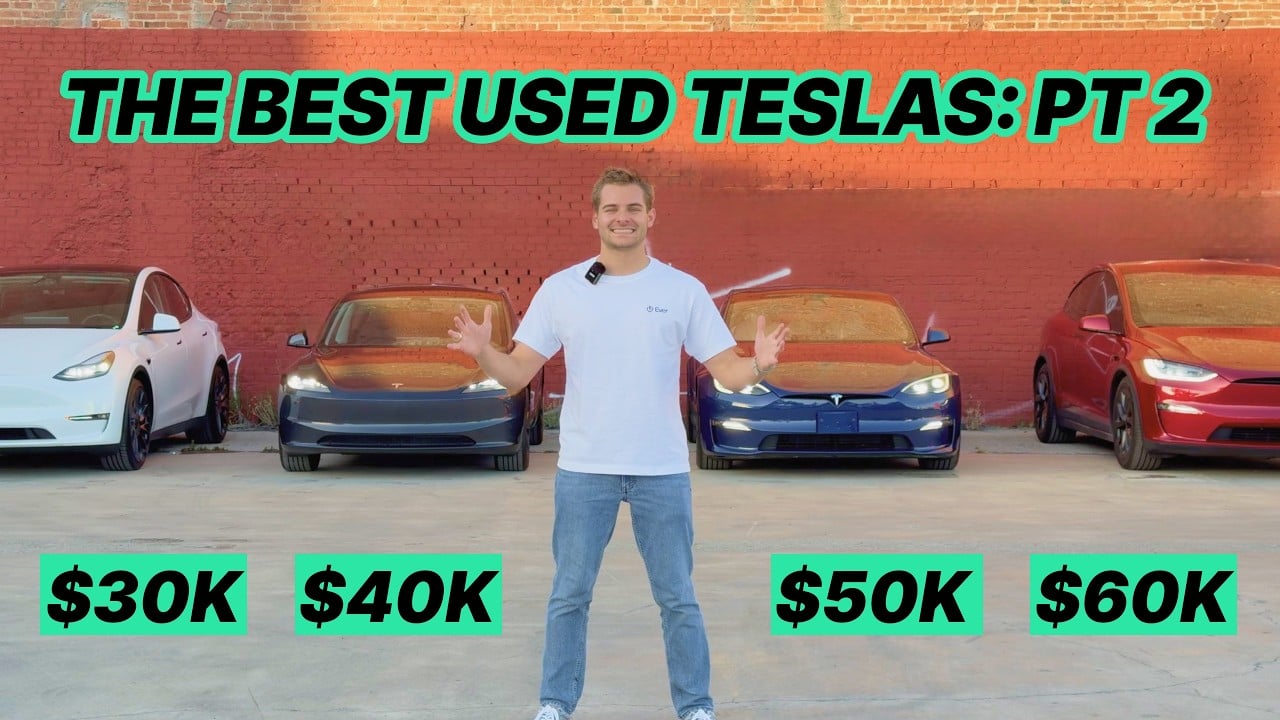
We take an honest look at the $30,000 to $60,000 used Tesla market, breaking down the specific build dates, hardware specs, and real-world trade-offs for each budget tier.
AAndrew Lambrecht · Jun 4, 2026
 Watch
WatchGuides
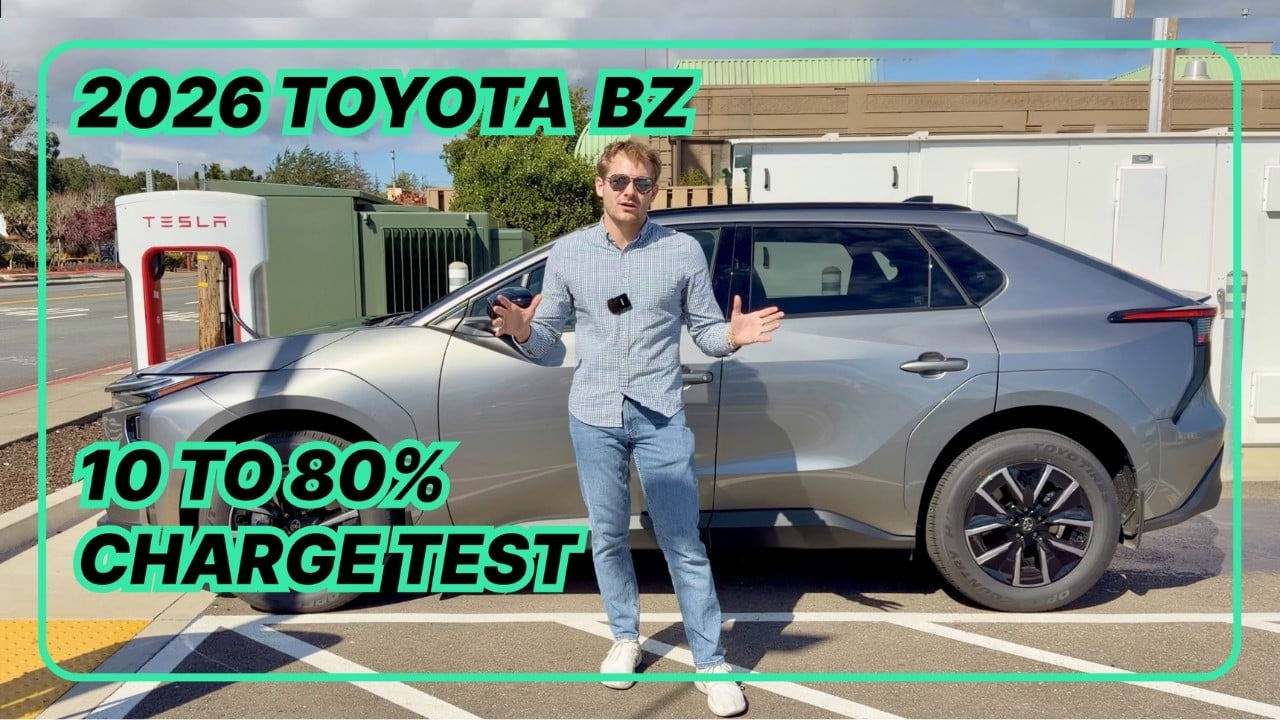
We took the 2026 Toyota bZ XLE Plus to a Tesla V3 Supercharger and hit 10–80% in just 26 minutes — beating Toyota's estimate.
AAndrew Lambrecht · Mar 6, 2026
 Watch
WatchGuides
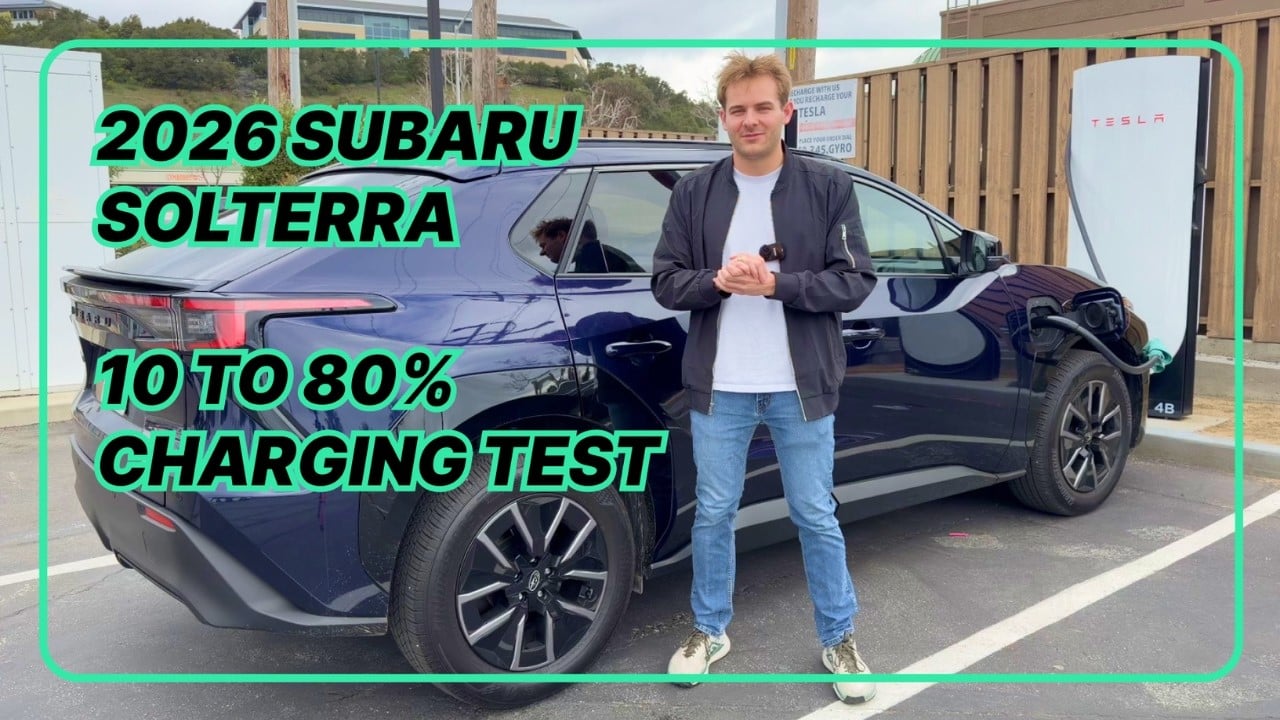
We took the 2026 Subaru Solterra to a Tesla V3 Supercharger and hit 10–80% in just 27 minutes — beating Subaru's own estimate. Here's what changed.
AAndrew Lambrecht · Mar 4, 2026
Browse EVs by model
Browse EVs by style
Browse EVs by location
Sell my car