Up Next
Model Reviews
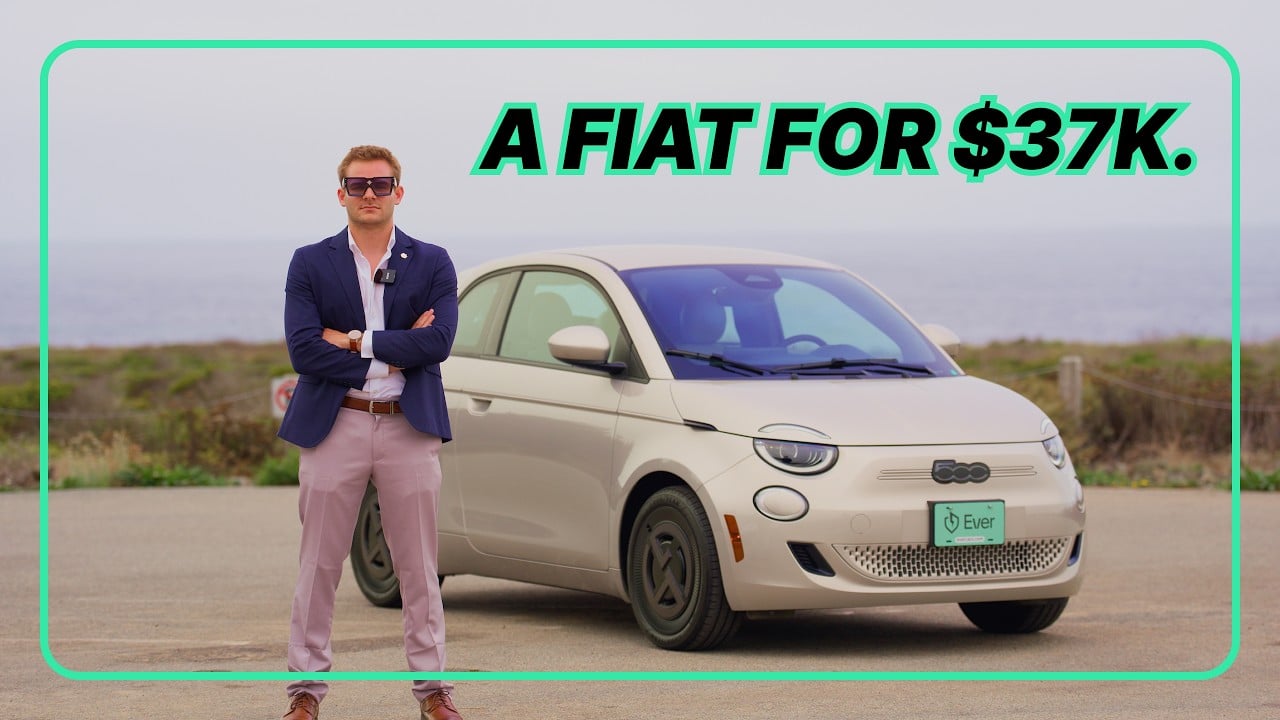
Fiat And Giorgio Armani Made A Car. We Drove It.
We explore the 2025 Fiat 500e Giorgio Armani Edition to see if it's worth $37,495.

Andrew Lambrecht
Aug 27, 2026
Read resource
Andrew Lambrecht
Project Engineer
Jun 2, 2026
2026 Hyundai IONIQ 9 10-80% Charging Test
We’ve been driving the 2026 Hyundai IONIQ 9, Hyundai’s flagship three-row EV. This SUV runs on an 800-volt architecture with a huge 110.3kWh usable battery pack. Hyundai rates it at 311 miles of EPA range and says it can go from 10 to 80% in 24 minutes. The big question, as always, is what it actually does when you pull up to a charger in real world conditions.
We took the IONIQ 9 to a 400kW DC fast charger to find out. Before our test, the IONIQ 9 said the battery was at an optimal temperature, and did not allow for preconditioning. We arrived at 5% and started a stopwatch timer the moment the display ticked to 10%, giving us a clean baseline for everything that followed.
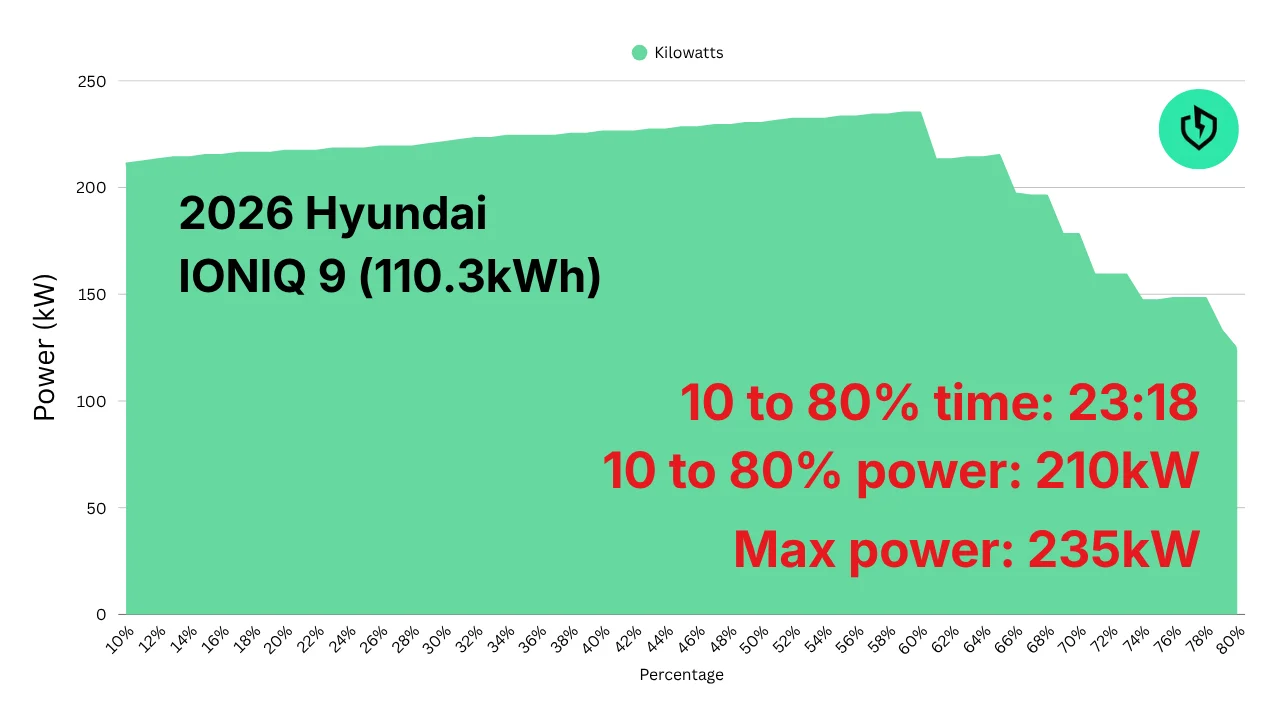
What the IONIQ 9 does on a charger is unlike almost any other EV we’ve tested. Instead of hitting peak power early and spending the rest of the session in a gradual (or steep) taper, the car actually climbs its charging curve as the session progresses. It pulled 211 kW at 10% state of charge and kept rising all the way to a peak of 235 kW at the 60% mark.
The practical result of that rising curve is a set of milestone numbers that are hard to argue with. By 10 minutes in, we had 100 miles of EPA range back in the battery. By just under 21 minutes, we had 200 miles back — all before we began to see significant tapers. Once past 60%, the BMS begins stepping power back, but it still pulled in 124kW at 80%.
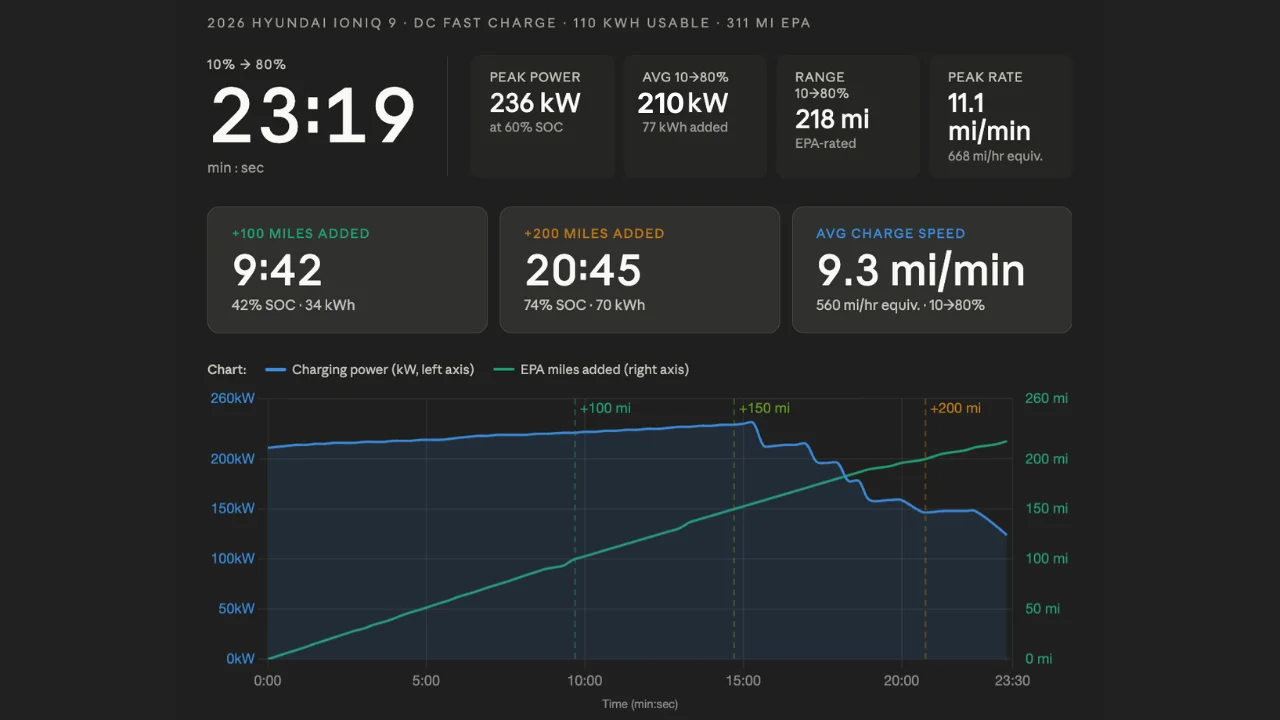
The Hyundai IONIQ 9 is the fastest charging EV we’ve tested yet. We recorded a 10 to 80% time of just 23 minutes and 19 seconds, beating Hyundai’s claim of 24 minutes.
It added 77.2 kWh of energy and 218 miles of EPA-rated range at an average of 210kW.
That combination of size, range, and charging speed is rare, and it makes the IONIQ 9 one of the most compelling road-trip EVs we’ve driven.
Charging
About the Author
Andrew Lambrecht
Project Engineer
Andrew Lambrecht is a project engineer at Ever and a leading voice in the electric vehicle sector. An industrial engineer by training and a prolific contributor to outlets like Forbes, Business Insider, InsideEVs, and MSN, Andrew blends technical expertise with sharp insights on EVs, mobility trends, and charging.
Up Next
Model Reviews
We explore the 2025 Fiat 500e Giorgio Armani Edition to see if it's worth $37,495.
Andrew Lambrecht
Aug 27, 2026
Read resource
Watch
Model Reviews
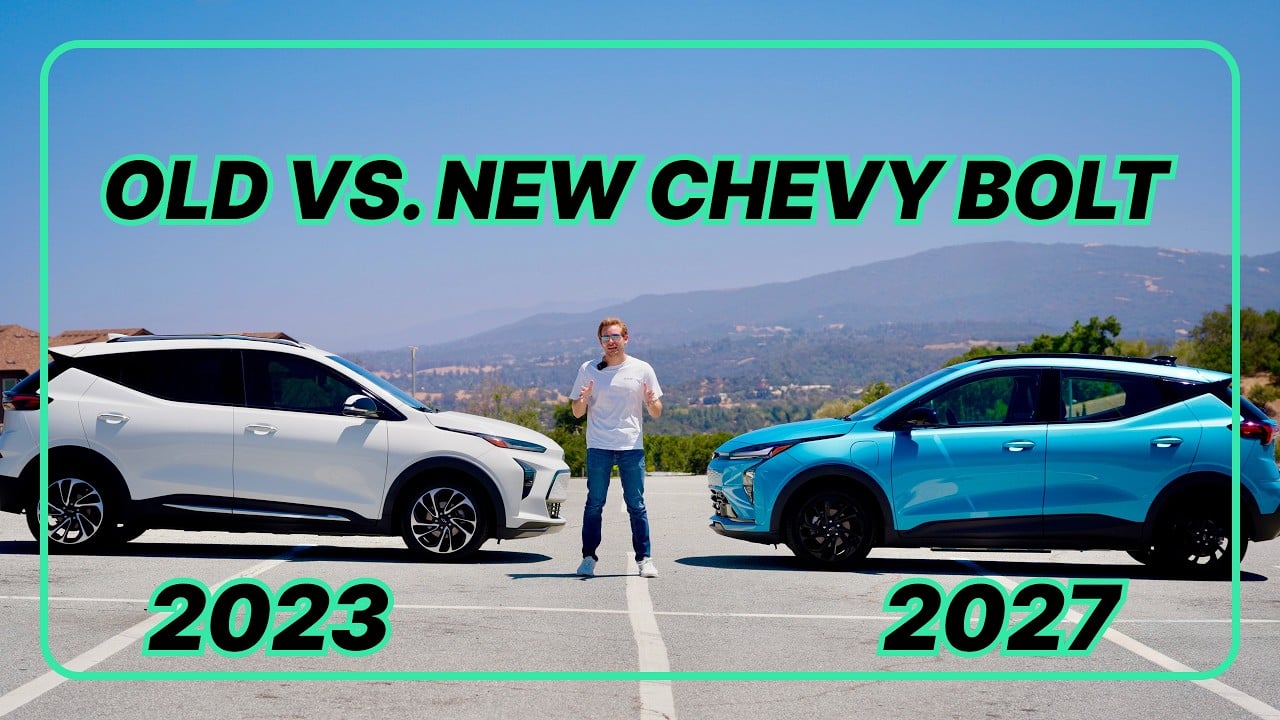
We compare the old 2023 Chevrolet Bolt EUV against the updated 2027 Bolt to see charging, range, and tech changes.
Andrew Lambrecht
Aug 25, 2026
Watch
Model Reviews
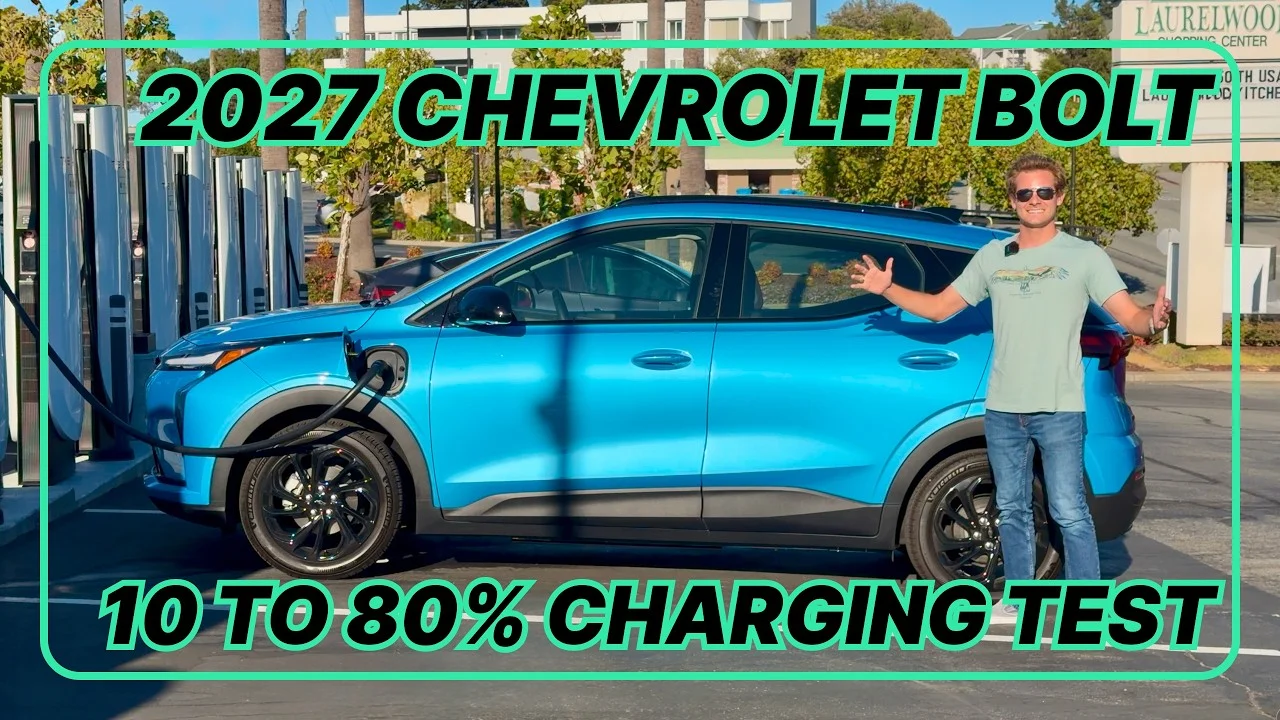
We put the 2027 Chevrolet Bolt through a real-world 10% to 80% DC fast-charging test at a Tesla Supercharger to validate GM's 25-minute charging claim.
Andrew Lambrecht
Aug 11, 2026
Watch
Model Reviews
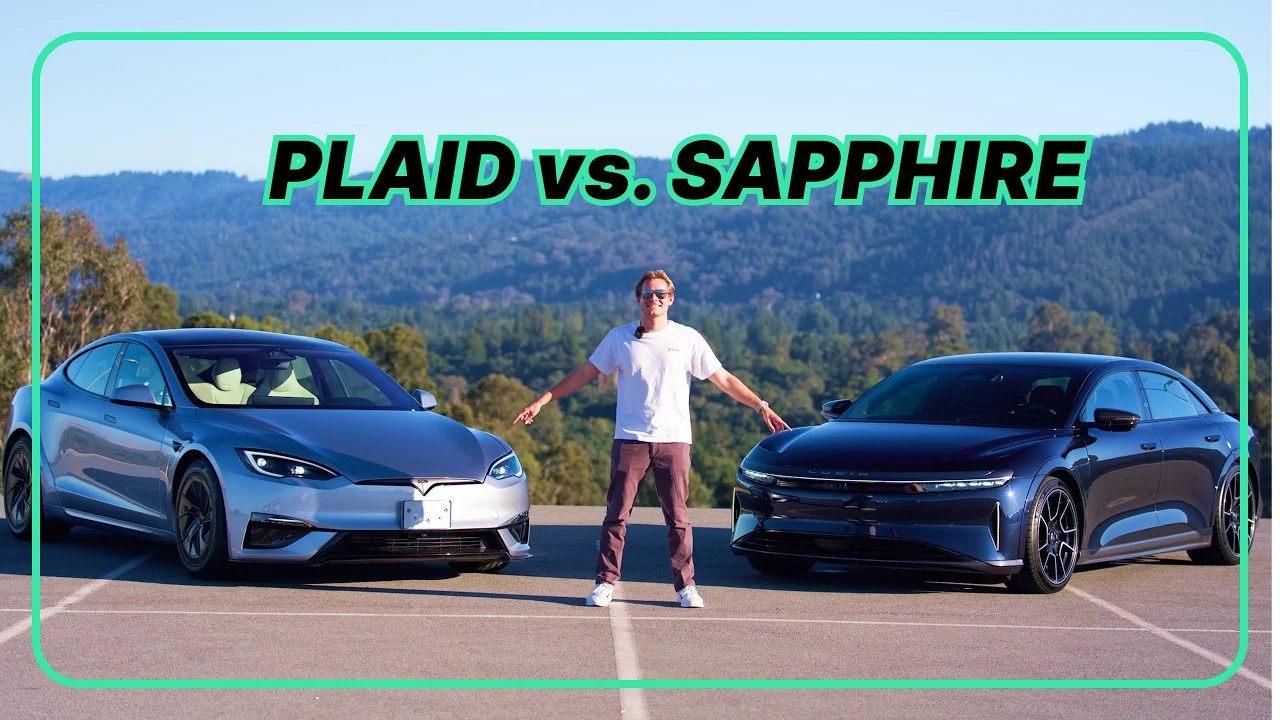
We compare the 1,020-hp Tesla Model S Plaid against the 1,234-hp Lucid Air Sapphire
Andrew Lambrecht
Aug 7, 2026

Watch
Model Reviews
We compare four of the best used EVs under $25,000 in 2026, analyzing the real-world ownership pros and cons of the Model 3, Mach-E, IONIQ 5, and Polestar 2.
Andrew Lambrecht
Jun 30, 2026
Watch
Model Reviews
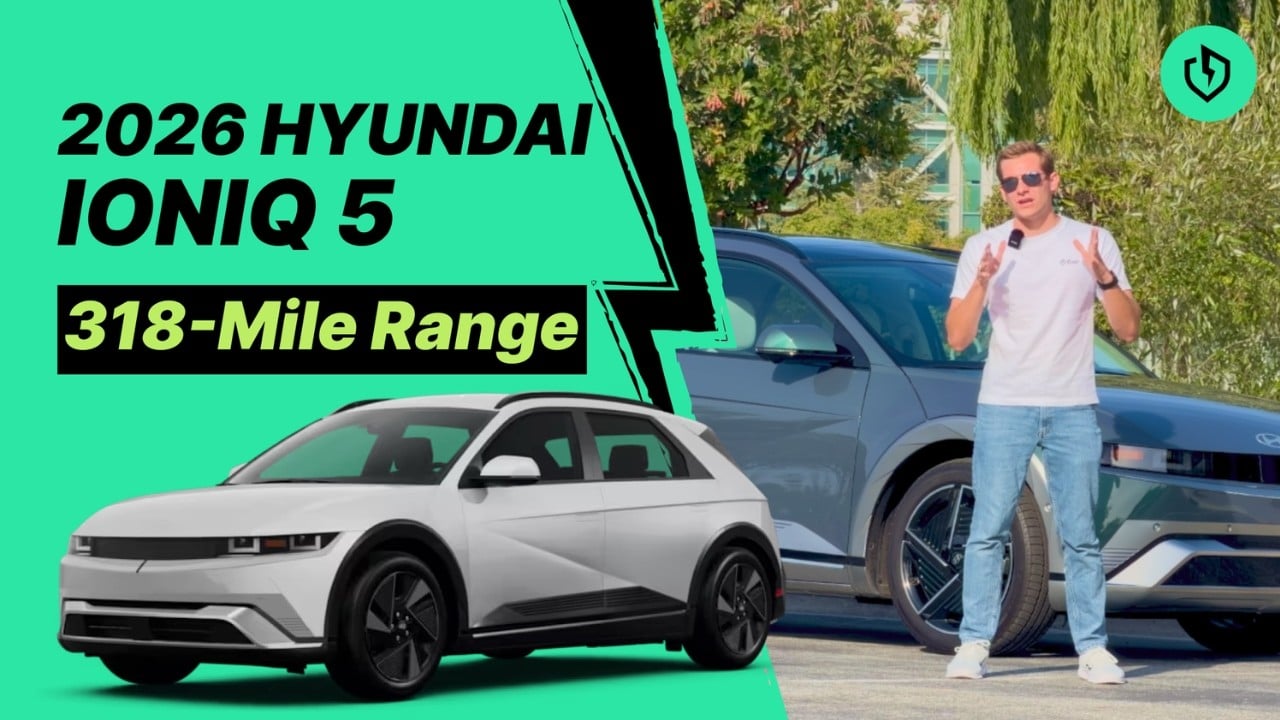
We break down the updated 2026 Hyundai IONIQ 5. Explore the larger 84kWh battery, trim level standard features, and massive promo price cuts undercutting the Model Y.
Andrew Lambrecht
Jun 22, 2026

Watch
Model Reviews
We break down the 2026 Hyundai IONIQ 9 lineup, exploring prices, range, current incentives, and real-world fast-charging metrics for all six trims.
Andrew Lambrecht
Jun 9, 2026