Model Reviews
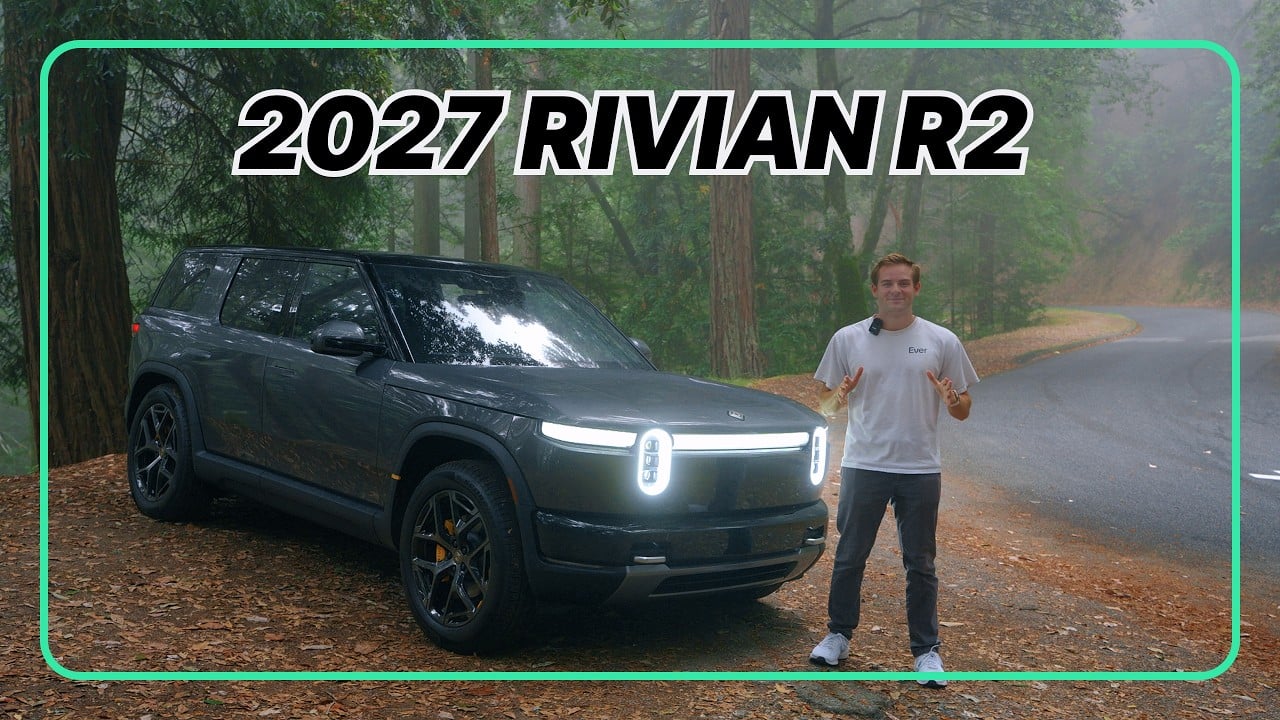
The 2027 Rivian R2 Lives Up To The Hype
Deliveries for the 2027 Rivian R2 are officially underway. We break down the specs, real-world range, pricing, and all trim levels for Rivian's new midsize electric SUV.
Ever · Oct 2, 2026
 Watch
Watch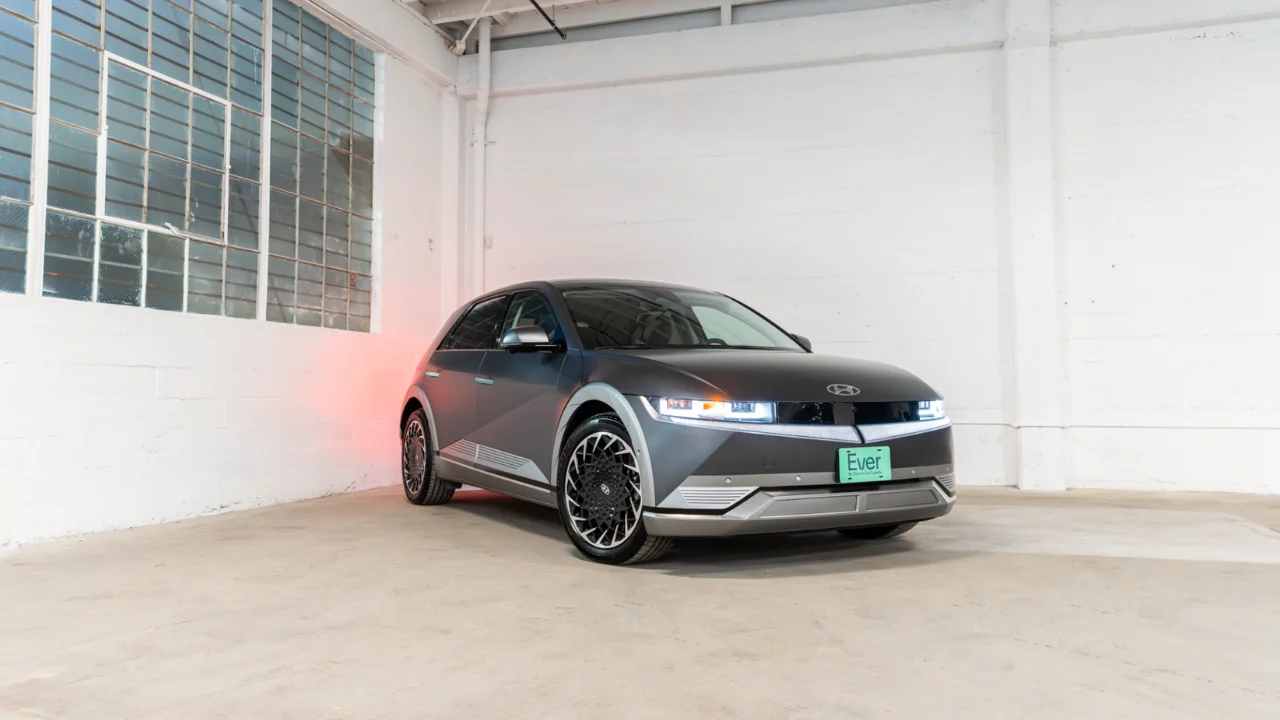
In late 2021, Hyundai delivered its first vehicle based on the E-GMP platform to the United States. This car was the fully-electric IONIQ 5, a crossover with a retro-futuristic design boasting groundbreaking 800V battery technology. Very few electric cars feature this technology, primarily allowing for unparalleled charging speeds. At the time of its release, the only other vehicle outfitted with this tech was the illustrious Porsche Taycan.
While its entry-level trims are sparse on features, the Hyundai IONIQ 5 prides itself in the safety and tech departments, offering many safety features and cool party tricks, such as V2L capabilities. V2L (Vehicle-to-load) gives owners access to 1.9kW of electricity from the battery via an adaptor. This means the IONIQ 5's high-voltage battery pack can become a backup generator during power outages or even non-emergency activities like camping trips.
Overall, the IONIQ 5 is a solid offering from the Korean auto giant. The best of its abilities is its capacity to make use of 350kW chargers. At one of these stations, the IONIQ 5 can charge from 10 to 80% in just 18 minutes. For non-Standard Range RWD models, they can add 212 miles in 18 minutes at these high-powered stations. Compared to other options like the Mach-E or ID.4, there is simply no comparison: the IONIQ 5 is a charging powerhouse.
For its warranty, the IONIQ 5 comes with an impressive 5-year / 60,000-mile warranty, longer than the vast majority of other cars. Its powertrain warranty spans 10 years or 100,000 miles, though if sold secondhand, that figure will only cover the battery rather than the powertrain entirely. Still, its warranty is more impressive than most. Overall, the IONIQ 5 poses itself as a more than reasonable option.
At its launch into the U.S. market, the Hyundai IONIQ 5 was met with a generally positive reception. Its rebellious design paired with avant-garde battery technology was a solid recipe, and it had substantial consumer interest— primarily for dual motor versions. In the AWD guise, the 2022 IONIQ 5 makes a considerable 320 horsepower, bringing an element of muscle to the table. With dealership markups galore, it was challenging to acquire IONIQ 5s early on, but now with a steady supply in the used market, they're easier than ever to obtain.
Features
Standard interior (base audio, 12.3-inch display, 800V charging)
Highway Driving Assist I
Available Trims
SE Standard Range RWD: (220 miles of range, 8.4 seconds to sixty)
SE/SEL/Limited RWD: (303 miles of range, 7.4 seconds to sixty)
SE/SEL/Limited AWD: (256 miles of range, 5.1 seconds to sixty)
The Korean automaker brought along some updates for the IONIQ 5's second model year. The car remained the same for the most part, but there were a few notable changes. AWD models received a slight range increase of 10 miles, boosting their range figures from 256 to 266 miles. Non-Standard Range examples also had a towing capacity boost, now allowing for a maximum of 2,300 pounds. The other notable addition was a new matte gold color.
Features
Standard interior (base audio, 12.3-inch display, 800V charging)
Highway Driving Assist I
Available Trims
SE Standard Range RWD: (220 miles of range, 8.4 seconds to sixty)
SE/SEL/Limited RWD: (303 miles of range, 7.4 seconds to sixty)
SE/SEL/Limited AWD: (266 miles of range, 5.1 seconds to sixty)
The 2024 model year was a "refinement" year. Hyundai focused on safety and small quality-of-life tweaks rather than a total overhaul. Most notably, rear side-impact airbags and outboard seatbelt pretensioners became standard, further boosting its safety score. For those eyeing the top-tier Limited trim, Hyundai finally added a digital rearview mirror to help with rear visibility—a clever, if temporary, fix for the car’s lack of a rear wiper.
Features
Wi-Fi Hotspot capability standard
Digital Rearview Mirror (Limited trim)
Enhanced safety suite with standard rear side airbags
Available Trims
SE Standard Range RWD: (220 miles of range, 8.4 seconds to sixty)
SE/SEL/Limited RWD: (303 miles of range, 7.4 seconds to sixty)
SE/SEL/Limited AWD: (260 miles of range, 5.1 seconds to sixty)
This is the year Hyundai finally listened to the internet: the IONIQ 5 got a rear wiper. But the 2025 refresh was more than just a squeegee. Battery capacities were bumped across the board, with the Long Range pack growing to 84 kWh, pushing range up to 318 miles. Hyundai also swapped the CCS port for a native NACS port, giving owners access to Tesla’s Supercharger network without an adapter. Inside, a revised center console brought back physical buttons for seat heaters and frequently used functions, and wireless Apple CarPlay finally became standard.
Features
Rear windshield wiper and washer
NACS Charging Port (Native Tesla Supercharger access)
84 kWh Long Range Battery
Wireless Apple CarPlay & Android Auto now standard
Available Trims
SE Standard Range RWD: (245 miles of range, 63 kWh battery)
SE/SEL/Limited RWD: (318 miles of range, 7.4 seconds to sixty)
SE/SEL/Limited AWD: (290 miles of range, 5.1 seconds to sixty)
XRT AWD: (259 miles of range, off-road focused trim)
IONIQ 5 N: (221 miles of range, 641 hp performance flagship)
For 2026, Hyundai simplified the lineup to stay competitive as the market became more crowded. The 84 kWh battery became the standard for nearly all configurations, and a new "Sage Silver Matte" finish joined the palette. This year also saw the rollout of more sophisticated Matte Black exterior accents on the Limited and N-Line trims. Perhaps most importantly, the front bumper gained a dedicated camera on higher trims to improve the 360-degree parking view, solving one of the few remaining gripes with the car's massive footprint.
Features
Matte Black exterior accents (Limited and N-Line)
Front Bumper Camera for improved parking (Limited trim)
Native NACS port standard across the board
Available Trims
SE Standard Range RWD: (245 miles of range, 63 kWh battery)
SE/SEL/Limited RWD: (318 miles of range, 84 kWh battery)
SE/SEL/Limited AWD: (290 miles of range, 84 kWh battery)
XRT AWD: (259 miles of range, 7-inch ground clearance)
IONIQ 5 N: (225 miles of range, 641 hp)
SE Standard Range The SE Standard Range trim is the least expensive way to get into Hyundai's IONIQ 5. Unfortunately, this comes at the levy of missing out on a lot of options. When opting for the SE Standard Range, interior comfort, range, performance, and safety take a hit. For performance, the base trim offers 168 horsepower, significantly lower than virtually every comparable vehicle.
SE (AWD and RWD) Featuring a broadly similar set of features as the SE Standard Range, the SE provides a larger battery pack than the base model. In RWD guise, it makes a more substantial 225 horsepower (bumped in later years). AWD models pack an even more hefty punch with 320 horsepower.
SEL (AWD and RWD) The SEL serves as a midrange option. It offers a solid blend of options, including ambient lighting, leatherette seating, Hyundai Digital Key, and Highway Driving Assist II (HDA II). HDA II can perform lane changes with the click of the blinker stalk.
Limited (AWD and RWD) At the pinnacle of the IONIQ 5 lineup, the Limited trim comes with all the bells and whistles. It features upgraded exterior cladding, ventilated seats, Bose audio, a panoramic glass roof, and a head-up display with AR functionality. It also gains the "Digital Key 2 Premium," allowing your smartphone to act as your key via UWB.
XRT (AWD Only) New for 2025, the XRT is for those who find the standard car a bit too "urban." It features a 23mm suspension lift, unique 18-inch black wheels with all-terrain tires, and digital camouflage cladding. While the extra drag drops the range slightly, it’s the choice for light trails or snow.
IONIQ 5 N This isn't just a trim; it's a total reimagining. It packs 641 hp and "simulated" gear shifts that make it feel like a combustion car. It’s wider, lower, and features 21-inch wheels with massive performance brakes. It’s expensive, but it's arguably the most "soulful" EV on the market.
 A
AAndrew Lambrecht
Project Engineer
Andrew Lambrecht is a project engineer at Ever and a leading voice in the electric vehicle sector. An industrial engineer by training and a prolific contributor to outlets like Forbes, Business Insider, InsideEVs, and MSN, Andrew blends technical expertise with sharp insights on EVs, mobility trends, and charging.
Model Reviews
Deliveries for the 2027 Rivian R2 are officially underway. We break down the specs, real-world range, pricing, and all trim levels for Rivian's new midsize electric SUV.
Ever · Oct 2, 2026
Watch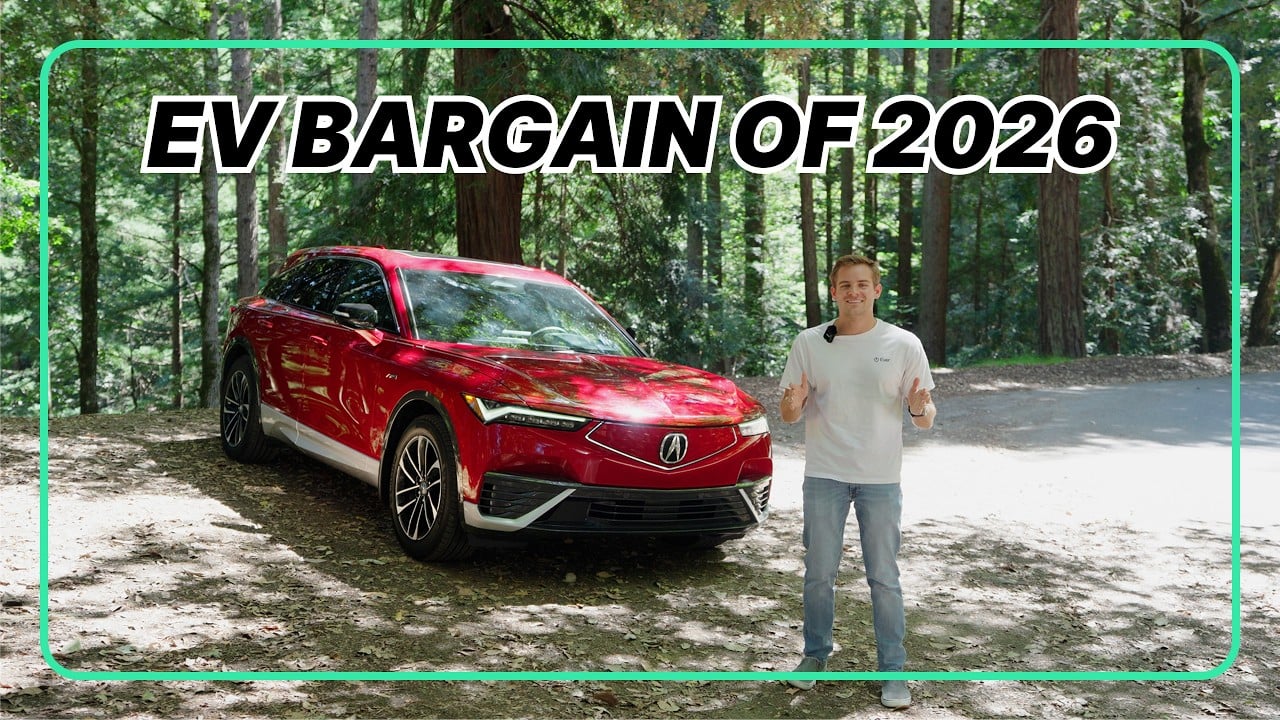 Watch
WatchModel Reviews
We review the 2024 Acura ZDX to see if it's a used EV bargain.
Ever · Sep 18, 2026
 Watch
WatchModel Reviews
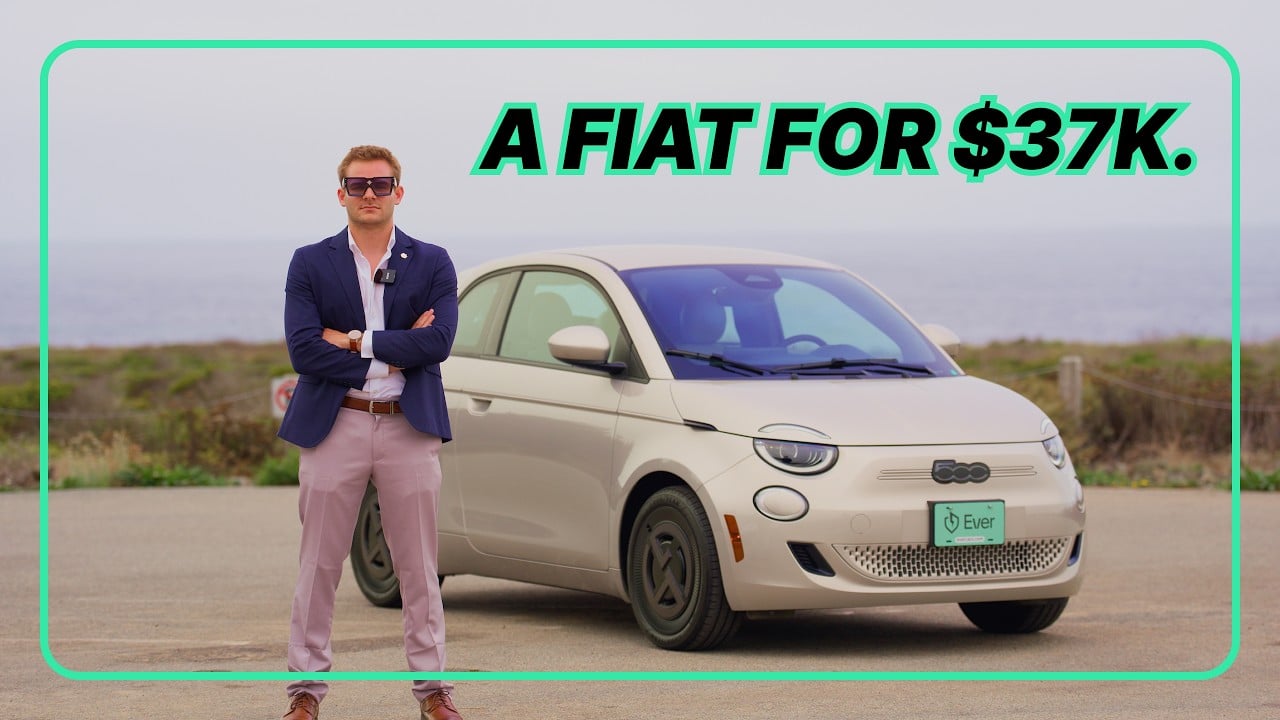
We explore the 2025 Fiat 500e Giorgio Armani Edition to see if it's worth $37,495.
AAndrew Lambrecht · Aug 27, 2026
 Watch
WatchModel Reviews
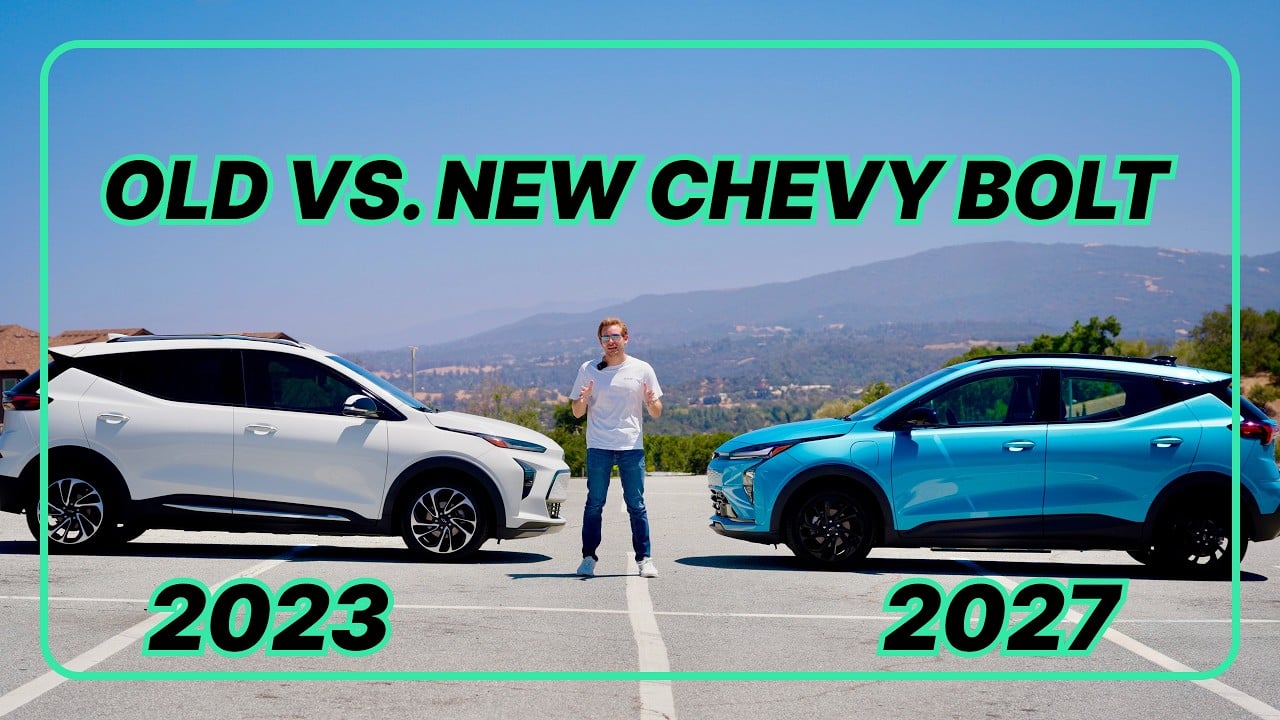
We compare the old 2023 Chevrolet Bolt EUV against the updated 2027 Bolt to see charging, range, and tech changes.
AAndrew Lambrecht · Aug 25, 2026
 Watch
WatchModel Reviews
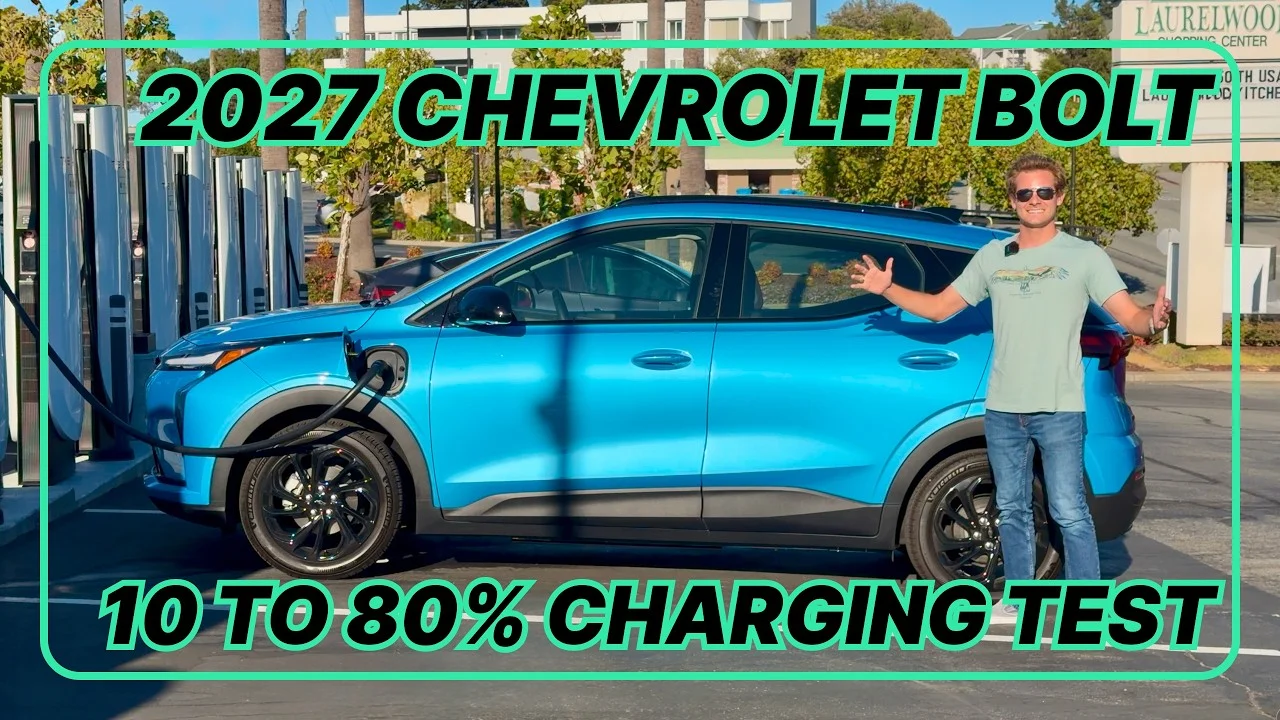
We put the 2027 Chevrolet Bolt through a real-world 10% to 80% DC fast-charging test at a Tesla Supercharger to validate GM's 25-minute charging claim.
AAndrew Lambrecht · Aug 11, 2026
 Watch
WatchModel Reviews
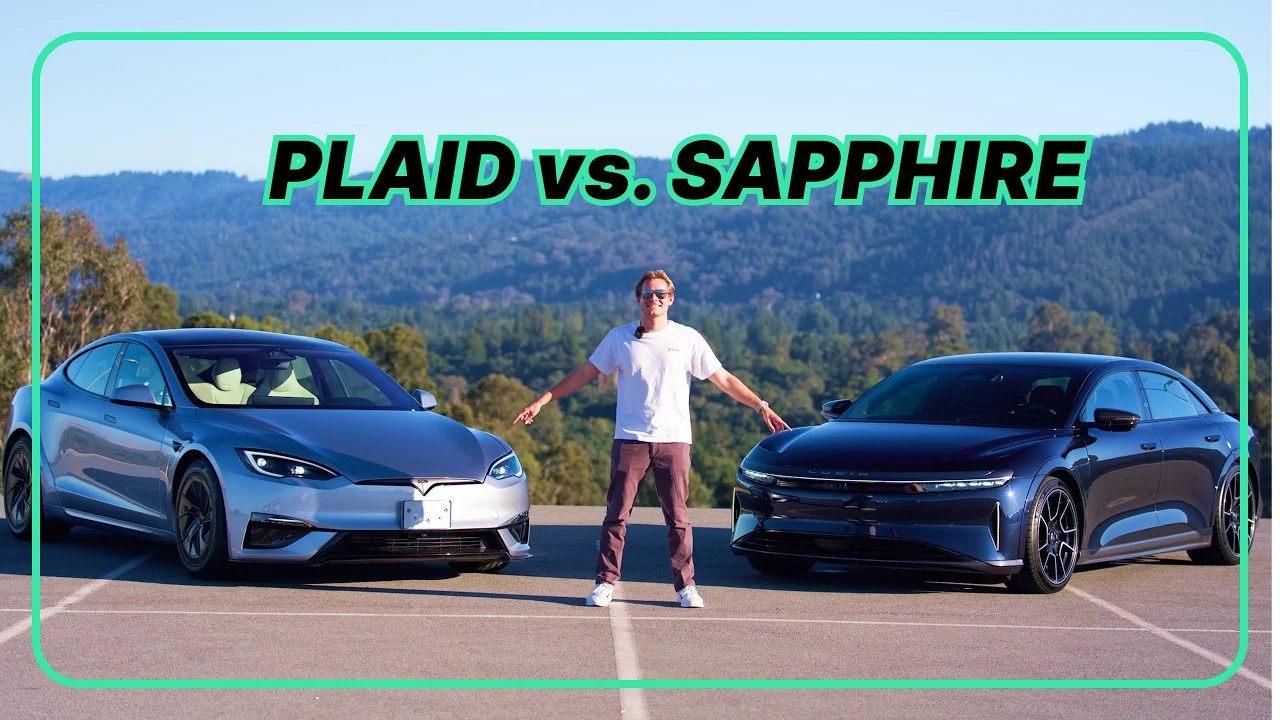
We compare the 1,020-hp Tesla Model S Plaid against the 1,234-hp Lucid Air Sapphire
AAndrew Lambrecht · Aug 7, 2026
 Watch
WatchModel Reviews
We compare four of the best used EVs under $25,000 in 2026, analyzing the real-world ownership pros and cons of the Model 3, Mach-E, IONIQ 5, and Polestar 2.
AAndrew Lambrecht · Jun 30, 2026
Browse EVs by model
Browse EVs by style
Browse EVs by location
Sell my car