The 2017 Leaf was never truly designed for cross-country treks, but it was a staple for daily commuting. Fast-forward to 2026, and this particular unit has lost a quarter of its original 30 kWh capacity, leaving it with roughly 22–24 kWh of usable energy.
Our mission was a 120-mile day trip involving a significant mountain climb and a reliance on the aging CHAdeMO fast-charging standard. Here is how the adventure unfolded:
The Starting Line: Leaving with a full charge, the "Go-on-Meter" (GOM) was optimistic, but we knew better. At 75% health, highway speeds and elevation gain are the primary range killers.
The Peak and Descent: We reached the summit with just a sliver of energy left. The silver lining? Regenerative braking on the way down added a lot of energy back.
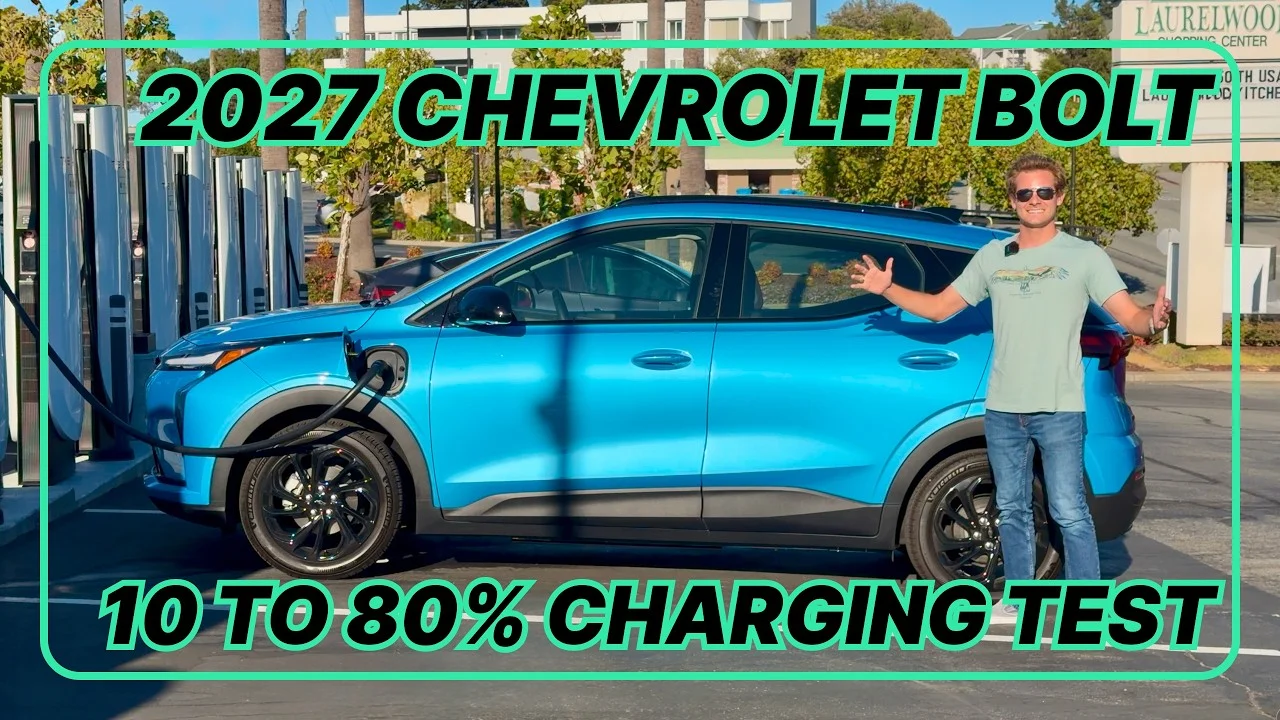
The Quick Charge: We arrived at the lone CHAdeMO station on the route with under 10% battery left. We actually managed 10 to 80% in 18 minutes.
The Verdict: Is It Still Practical?
While we successfully completed the 120-mile journey, it wasn't exactly effortless. Driving a degraded early EV requires a "Professor" level of planning. You have to account for:
CHAdeMO Scarcity: Finding a working fast-charger is becoming harder as the industry shifts to NACS and CCS.
Elevation Anxiety: A mountain isn't just a scenic view; it's a battery-drain event that requires a buffer early EVs don't always have.
Speed Trade-offs: To make the numbers work, we often had to cruise at 55 mph while the rest of the world flew past at 70.
The Nissan Leaf remains a great choice for daily work-and-back commutes, but for road trips, it’s a "cool experience" in EV history rather than a modern convenience. It’s a testament to how far technology has come in a decade, where a 120-mile trip that once required a spreadsheet is now a trivial task for almost any new EV on the market.